
 Available in US
Content
- The Premier League Drives More Betting Volume Than Any Other Football Competition in the UK
- Form Metrics That Actually Predict Results
- Fixture Difficulty and How to Use It for Betting
- Seasonal Market Patterns: Boxing Day, Run-Ins, and Early Season
- The 2026/27 Gambling Sponsorship Ban and What It Changes

The Premier League Drives More Betting Volume Than Any Other Football Competition in the UK
I spent my first two years of serious betting focused almost exclusively on the Premier League. Everyone does. It is the competition you know best, the one you watch every weekend, the one your mates talk about on Monday morning. It took me those two years to realise that familiarity is not the same as edge — and that the Premier League is, paradoxically, one of the hardest competitions to bet profitably on.
Football generates around 1.3 billion pounds in remote gross gambling yield annually in the UK, and the Premier League accounts for the largest share. Gambling sponsorship deals with Premier League clubs were valued at over 100 million pounds in the 2024/25 season, with 11 clubs carrying a gambling brand as their primary shirt sponsor heading into 2025/26. That level of commercial investment reflects the volume of betting activity the league attracts — and that volume means the odds are priced by sophisticated models with enormous data inputs. Beating the market here requires more than watching Match of the Day.

Form Metrics That Actually Predict Results
Ask a casual bettor how they assess Premier League form and they will tell you about the last five results. A team on a four-match winning run “is flying”. A team that has lost three in a row “is in crisis”. Neither statement tells you anything useful about the next match.
Results-based form is the noisiest signal in football. A team can win four straight while underperforming their expected goals in every match — they have been clinical or lucky, and regression is coming. A team can lose three in a row while creating 2.0+ xG per match — they have been wasteful or unlucky, and improvement is likely. The bookmaker’s model knows this. If your form analysis does not account for underlying performance, you are bringing a butter knife to a data fight.
The metrics I track for Premier League form assessment are expected goals for and against (rolling six-match average, not season-long), expected points versus actual points (identifies over- and under-performers), progressive passes into the final third (measures creativity independent of finishing), and defensive actions in the penalty area (measures how much pressure the defence absorbs). When these underlying metrics diverge from the results, the market often lags by one to two matchweeks before adjusting. That lag is where the value sits.

I also weight home and away form separately. The Premier League’s home advantage has shrunk since the pandemic era but it has not disappeared. A team averaging 1.8 xG at home and 1.1 away is two different propositions, and the market sometimes prices a “good form” team without adequately separating the two contexts.
Fixture Difficulty and How to Use It for Betting
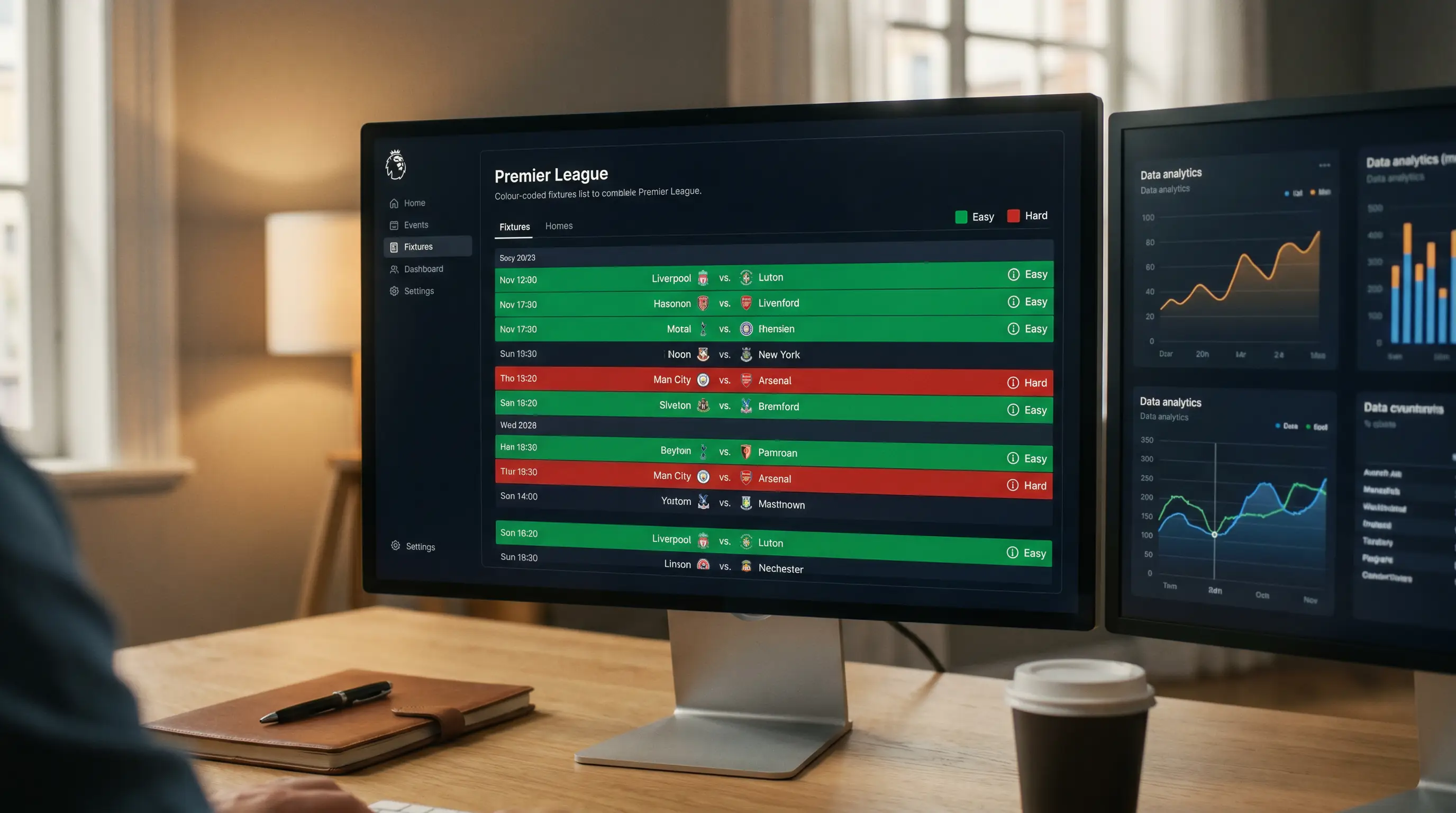
Fixture difficulty ratings are freely available from several data sites, but most bettors use them backwards. They look at the next fixture in isolation — “Arsenal face a relegation candidate, that should be easy” — rather than using fixture runs to identify systematic mispricings.
The real value in fixture difficulty comes from sequences. A team facing four consecutive matches against sides in the bottom six will have their odds priced generously for each individual match, but the cumulative expectation of results over the run is often underestimated by the market. I have found consistent value in backing teams to win in the third or fourth match of an easy run, after two or three wins have already inflated the team’s perceived form. The market gives them credit for the wins without fully adjusting for the weakness of the opposition.
Conversely, a team emerging from a brutal run of fixtures against the top six will often be underpriced in their first match against a mid-table side. Their recent results look poor because the opposition was strong, but their underlying performance may have been solid. The market sees “LLDDL” and assigns them crisis odds. The data sees “1.4 xG per match against the best defences in the league” and calls that respectable.
Seasonal Market Patterns: Boxing Day, Run-Ins, and Early Season
Eight years of betting on the Premier League has taught me that certain calendar periods produce predictable market inefficiencies. These are not guaranteed edges, but they recur with enough consistency to shape my seasonal approach.
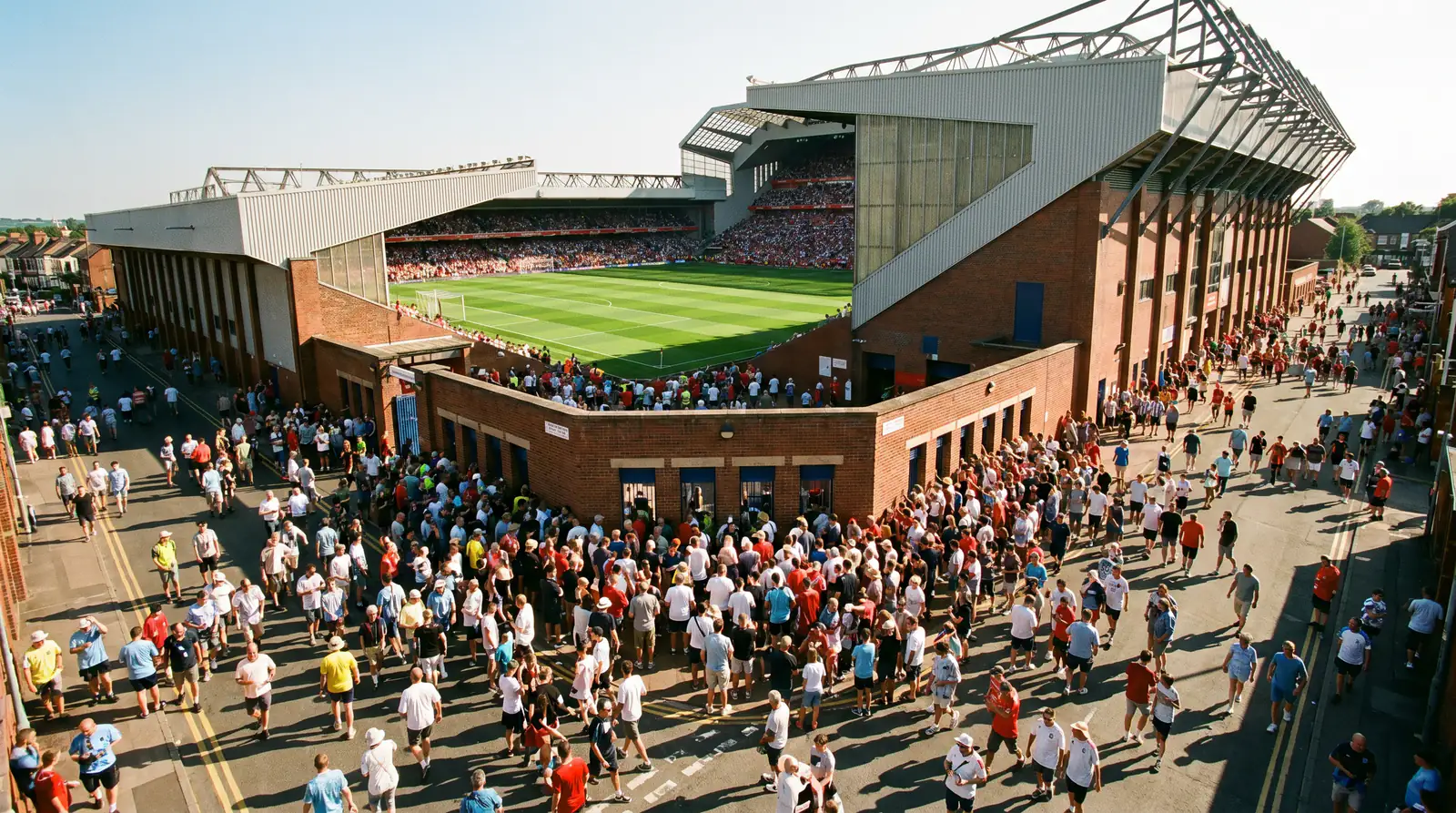
Early season — the first four matchweeks — is the most volatile period for odds accuracy. Squad turnover, new signings still integrating, pre-season form that may or may not translate — the models are working with incomplete data and the prices reflect that uncertainty. I bet more aggressively in this period, focusing on teams whose summer business I have analysed deeply and whose early-season conditions I understand better than the market’s generic inputs. Six percent of all UK adults bet on live football, and that live market is particularly soft in early-season fixtures when the in-play algorithms have not yet calibrated to new tactical setups.
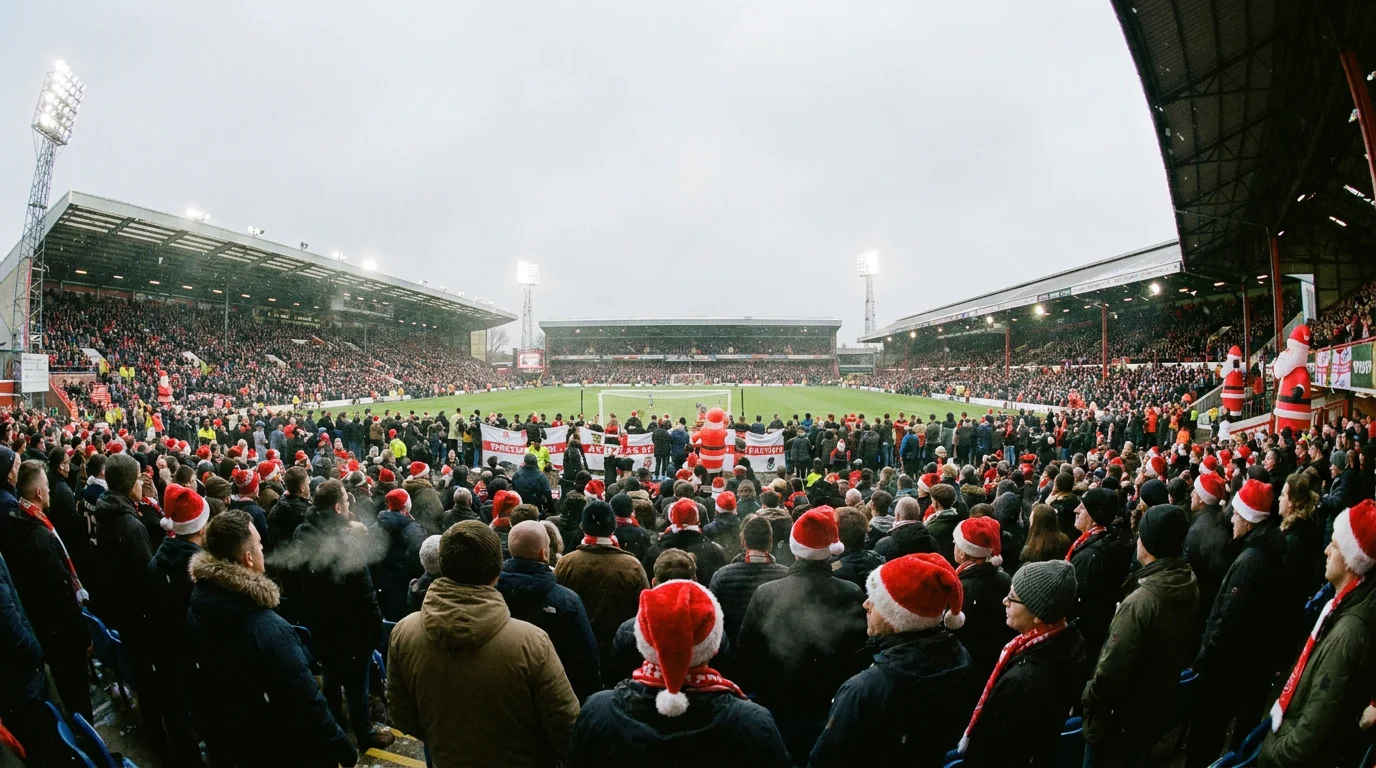
The Christmas and New Year fixture pile-up — three matches in eight days for most teams — is the most physically demanding period of the season. Squad depth becomes the dominant factor. Teams with thin squads or injury problems concede more goals in the second and third match of the sequence. I focus on goals markets during this period, particularly over 2.5 in Boxing Day fixtures where rotation and fatigue produce open, error-strewn matches.
The final six matchweeks produce a split. Teams with nothing to play for produce unpredictable results — sometimes free-flowing football, sometimes listless performances. Teams in a relegation fight become significantly harder to beat at home than their season-long stats suggest. I adjust my models to overweight the last six matches of previous seasons in similar table positions, which captures the psychological dimension that pure form data misses.
The 2026/27 Gambling Sponsorship Ban and What It Changes
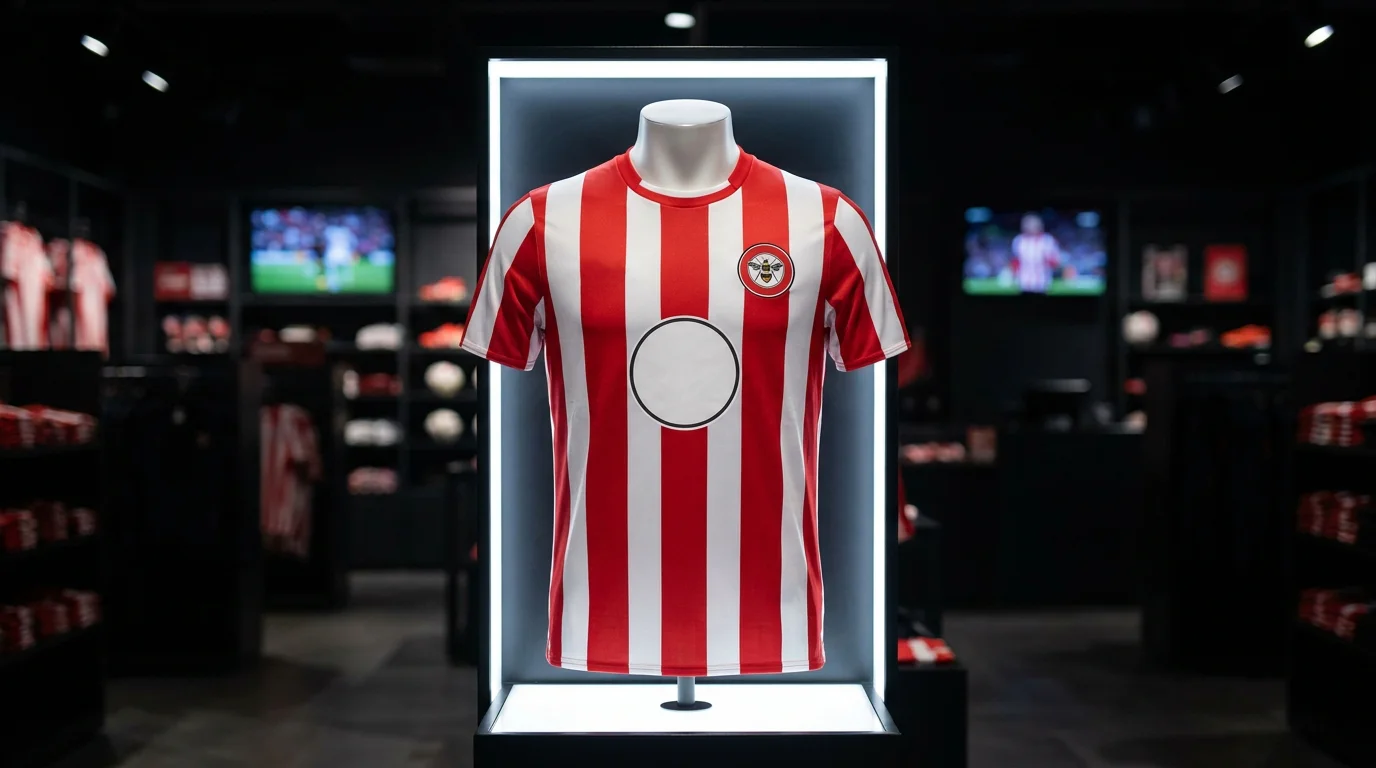
Premier League clubs have voluntarily moved away from gambling logos on the front of shirts, effective from the 2026/27 season. This follows a transition period during 2025/26 where 11 clubs still carried gambling brands as primary sponsors, with the combined value of those deals estimated at around 60 million pounds annually.
For bettors, the sponsorship ban changes nothing about the mechanics of betting on the Premier League. The odds will still be set by the same operators, the markets will still function identically, and the underlying data will still drive the prices. What changes is visibility. Gambling brands will lose their most prominent advertising channel in English football, which may slightly reduce the flow of casual new bettors into the market. Over time, that could modestly improve odds efficiency as the proportion of informed bettors increases relative to the total.
The more significant development for bettors is the broader regulatory trajectory: Remote Gaming Duty rising to 40% from April 2026, with a new 25% remote betting duty from April 2027. These tax increases will likely be passed through to bettors in the form of tighter odds and less generous promotions. If you are betting the Premier League seriously, the next two seasons are worth approaching with an awareness that the market’s competitive dynamics are shifting — and not in the bettor’s favour. For a league-by-league comparison, the EFL Championship betting tips guide explores why lower divisions may offer better value as top-flight margins tighten.
Which Premier League markets offer the most value?
Goals markets — particularly over/under and both teams to score — tend to offer more exploitable mispricings than match result markets because the modelling is more complex and casual bettors flood the overs side. Asian handicap markets can also be sharper but require more specialist knowledge to navigate effectively.
How does the Christmas fixture pile-up affect Premier League betting odds?
The compressed schedule over Christmas and New Year exposes squad depth issues and increases fatigue-related errors. Teams with thin squads or injury problems tend to concede more in the second and third matches of the sequence. Goals markets — particularly overs — often carry better value during this period than at other times of the season.
