
 Available in US
Content
- The Championship Is the Most Unpredictable League in English Football — and That Is Where the Value Lives
- Why Bookmakers Misprice Lower-League Matches
- Key Markets: Promotion, Relegation, and Match-Day
- Assessing Squad Turnover and January Window Impact
- Extending the Principle to League One and League Two

The Championship Is the Most Unpredictable League in English Football — and That Is Where the Value Lives
Two seasons ago I backed a newly promoted side to beat the pre-season title favourites on the opening day at 5.50. The promoted team had made three shrewd signings that the market had barely registered, the favourites had lost their best midfielder to a last-minute transfer, and the odds reflected last season’s table positions rather than this season’s squads. That bet won, and it encapsulated everything I love about betting on the Championship: the market moves slower than reality.

Football betting produces around 1.3 billion pounds in gross gambling yield from UK remote betting each year. The Premier League captures the lion’s share of attention, but the Championship — with its 24 teams, 46-match season, and relentless fixture schedule — is where analytical bettors consistently find the widest gap between their edge and the bookmaker’s pricing.
Why Bookmakers Misprice Lower-League Matches
The total remote betting market generates around 2.6 billion pounds in GGY across all sports. Within football, operator resources are allocated proportionally to market volume. A Premier League Saturday 3pm kick-off attracts vastly more money than a Championship Tuesday night fixture, so the bookmaker invests more modelling power, more data feeds, and more analyst time into pricing the top flight accurately.
Championship matches receive competent but less granular pricing. The expected goals models that drive Premier League odds are calibrated with richer datasets. Championship data is thinner: fewer televised matches mean fewer detailed event data points per game, some xG providers cover the second tier with less accuracy, and team news breaks later and through less reliable channels. All of this creates pricing noise — and pricing noise is opportunity.

The other factor is public money. Casual bettors overwhelmingly bet on teams and matches they watch on television. The Championship has fewer live broadcasts than the Premier League, which means less casual money flows into its markets. When casual money recedes, the odds are shaped more by the bookmaker’s model and less by market demand. If the model is slightly off — and in the Championship, it is off more frequently — the mispricing persists longer because there is less informed money to correct it.
Key Markets: Promotion, Relegation, and Match-Day
The Championship offers a wider range of exploitable long-term markets than any other English division. Promotion and relegation are the obvious ones, but the complexity of the format — automatic promotion for the top two, playoffs for third through sixth — creates pricing opportunities that do not exist in a simpler league structure.
Playoff qualification is the market I focus on most. The gap between third and seventh in the Championship is routinely decided by one or two points, and the market struggles to price the probability of any individual team finishing in that band accurately. I build my own projected points tables using rolling expected points data and compare them against the bookmaker’s implied probabilities for top-six finish. The discrepancies are often significant — 5-10% mispriced implied probabilities — and they persist deep into the season because the Championship table is so compressed.
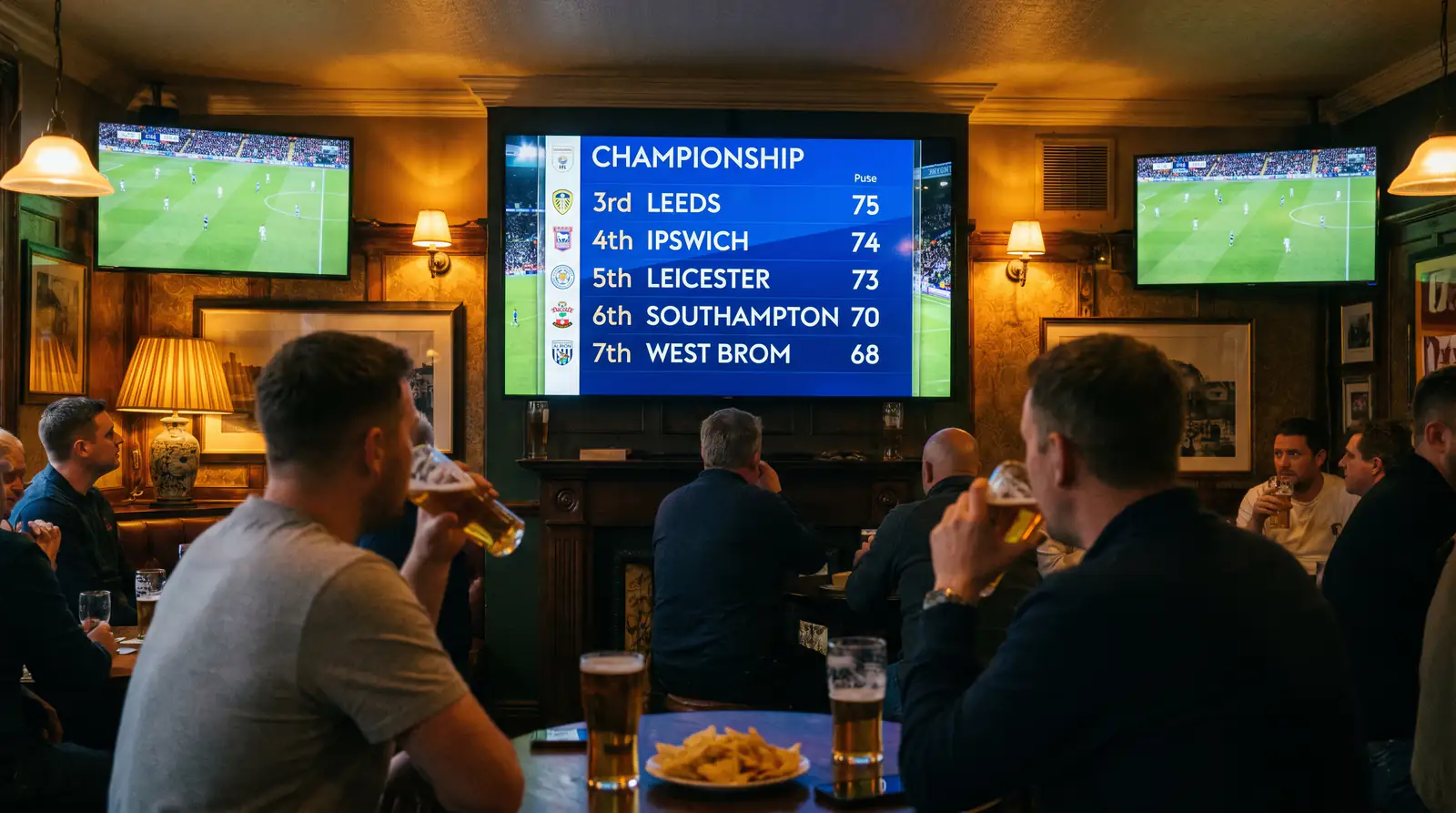
Match-day markets reward fixture-specific analysis more than in the Premier League. A Championship side’s performance can vary dramatically based on whether they are playing at home in front of a full stadium or away on a wet Tuesday with 4,000 travelling fans. Home advantage in the Championship is measurably larger than in the Premier League, and I adjust my expected goals models with a larger home coefficient for second-tier fixtures.
Assessing Squad Turnover and January Window Impact
No league in English football experiences more squad upheaval than the Championship. Relegated Premier League sides arrive with bloated wage bills and players who do not want to be there. Promoted League One sides arrive with tight budgets and squads that may lack the depth for a 46-game season. Mid-table sides lose their best players every January to top-flight clubs and scramble to replace them with loan signings.
I have found that the first six matches after the January window consistently produce the widest mispricings of the season. The market adjusts slowly to squad changes in the second tier — partly because transfer activity is less covered by mainstream media, and partly because the impact of individual players is harder to quantify when the data coverage is thinner. A team that loses its top scorer and replaces him with an untested Championship debutant will see their odds drift, but often not by enough. Conversely, a team that brings in a proven Championship goalscorer on loan will still be priced based on their pre-window form for two or three matchweeks before the market catches up.
The managerial carousel is another Championship-specific edge. Sackings happen more frequently in the second tier than in any other English division, and a new manager’s tactical change takes time to show up in the data. I back the draw in new manager’s first away match as a default position — the defensive stability that most new appointments prioritise tends to produce tight, low-scoring games that the market, still pricing based on the previous manager’s style, undervalues.

Extending the Principle to League One and League Two
Everything I have described about Championship value applies even more aggressively to Leagues One and Two. The further you descend in the pyramid, the thinner the bookmaker’s data becomes, the less public money enters the market, and the wider the pricing inefficiencies grow.
The trade-off is liquidity and information. Betting limits are lower in the third and fourth tiers, which means you cannot stake as heavily even when you find value. Data coverage is patchier — xG models for League Two are less reliable, team news is harder to source, and match footage is scarce. But if you specialise — if you follow one or two League One clubs closely enough to know their tactical setup, their squad fitness, and their manager’s tendencies better than any pricing model — the edge can be substantial.
I allocate roughly 30% of my football betting activity to matches below the Premier League, with the Championship taking the bulk and League One as a selective supplement. League Two I treat as occasional only, reserving my stakes for fixtures where I have a specific analytical thesis rather than a general sense of value. That discipline matters because the temptation in lower leagues is to bet on everything — the odds look generous across the board. Most of that generosity is the bookmaker’s margin, not genuine value. For those building a structured approach to lower-league betting, the Premier League betting tips guide provides a useful contrast in how differently the two levels should be approached.
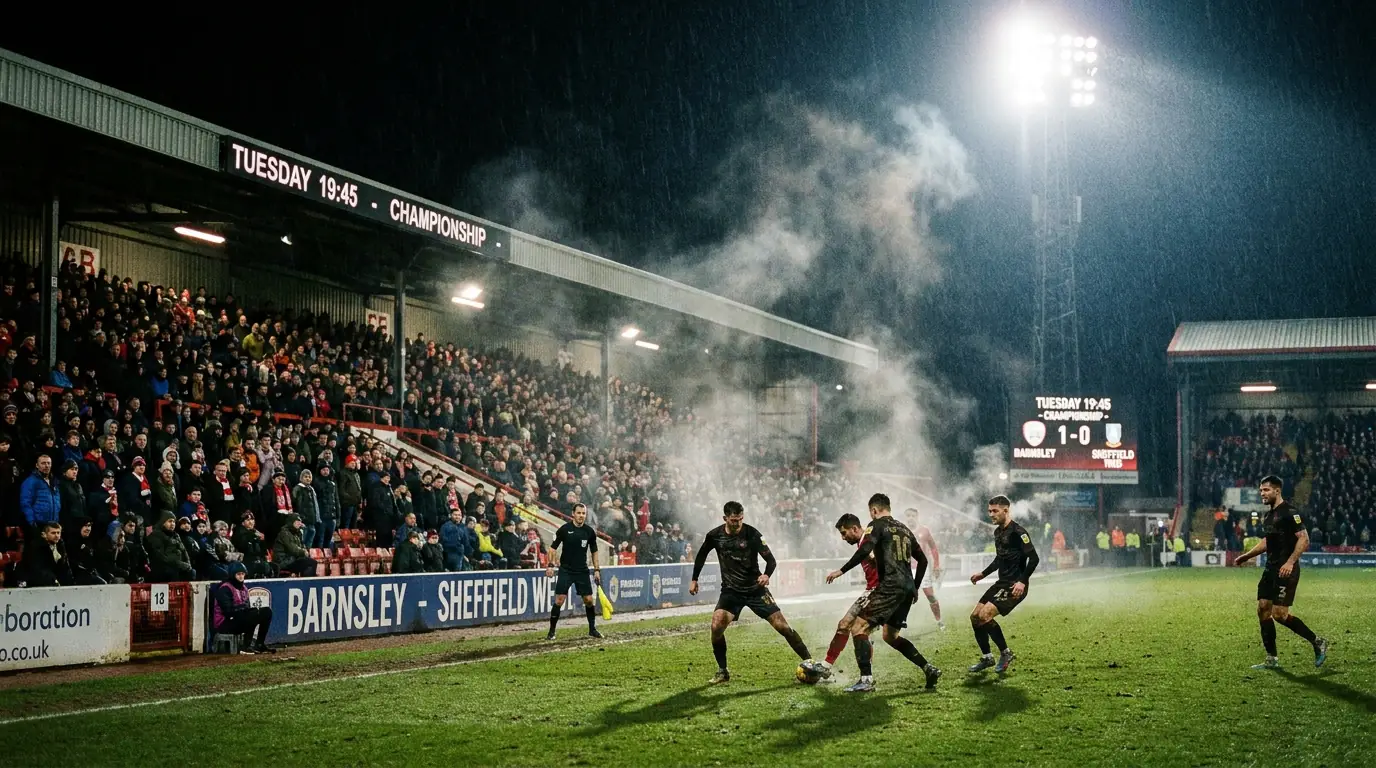
The atmosphere at a Tuesday night Championship fixture is unlike anything the Premier League offers — raw, tight, and often decided by a single moment of quality or error. That environment rewards bettors who understand the rhythm of a 46-game season and the fatigue patterns that come with it. Drop a level further and the dynamics shift again.

Is Championship football harder to predict than the Premier League?
Individual results are harder to predict because the quality gap between teams is smaller and the league is more compressed. But that unpredictability is precisely what creates value — the bookmaker’s pricing model is less accurate, casual money is less present, and analytical edges persist longer before being corrected by the market.
What is the best market for EFL Championship betting?
Playoff qualification markets offer some of the widest mispricings because the gap between third and seventh place is routinely decided by one or two points. For match-day betting, the draw market and under 2.5 goals tend to be underpriced in fixtures involving newly appointed managers or teams in the first few weeks after significant January transfer activity.
