
 Available in US
Content
Gambling Logos Are Off Premier League Shirts — but the Story Is More Complicated
Walk into any pub showing Premier League football next season and you will notice something that would have been unthinkable five years ago: not a single front-of-shirt gambling sponsor across the entire top flight. Premier League clubs voluntarily agreed to end front-of-shirt gambling sponsorship from the end of the 2025/26 season. During that transitional season, 11 clubs still carried a gambling brand as their primary shirt sponsor, with the total value of those deals estimated at around 60 million pounds per year.
The ban is real, but its scope is narrower than the headlines suggest. Gambling brands are stepping off the front of shirts. They are not disappearing from football. The story of how this ban came about, what it actually covers, and what it leaves untouched is more complex — and more relevant to bettors — than the simple “gambling out of football” narrative.
From Voluntary Agreement to Regulatory Pressure
The Premier League’s decision was framed as voluntary, but it arrived under considerable pressure. The government’s 2023 White Paper on gambling reform signalled that mandatory restrictions on gambling advertising in sport were under active consideration. By announcing a voluntary phase-out, the Premier League positioned itself ahead of legislation and retained some control over the terms.
The financial stakes were significant. Gambling sponsorship deals with Premier League clubs exceeded 100 million pounds in total value during the 2024/25 season when sleeve sponsorships and other placements were included alongside front-of-shirt deals. For mid-table and lower-table clubs, gambling sponsors were among the few categories willing to pay top-flight prices. The loss of that revenue required replacement sponsors from other sectors — technology, airlines, financial services — which took time to secure and in some cases came at lower valuations.

The political backdrop also included growing public awareness of gambling-related harm. Data from the Gambling Commission shows that 49% of young people aged 11-17 see gambling advertising on social media every week. The visibility of gambling brands on the shirts of their favourite players was cited repeatedly in parliamentary debates as a direct channel between gambling operators and underage audiences.
What the Ban Covers — and What It Does Not
The ban applies specifically to front-of-shirt sponsorship in the Premier League. It does not cover sleeve sponsors, training kit sponsors, stadium naming rights, perimeter advertising, or digital advertising boards. A gambling company that can no longer appear on the front of a shirt can still have its logo on the sleeve, its branding around the pitch, and its name on every pre-match interview backdrop.
The Betting and Gaming Council supported the front-of-shirt ban, with a spokesperson stating that gambling companies without a UK licence should also be banned from sponsoring Premier League clubs. This points to a gap the ban does not address: unlicensed offshore operators have been sponsoring football clubs in lower leagues, gaining visibility and credibility without being subject to any UK regulatory oversight.
Below the Premier League, the rules are different. Championship, League One, and League Two clubs face no equivalent restriction on gambling shirt sponsorship. Several EFL clubs continue to carry gambling brands as primary sponsors, including some with operators that hold no UKGC licence. Lisa Nandy has indicated that the government may extend restrictions to cover all professional football, but as of mid-2026 no binding regulation exists outside the top flight.
The Unlicensed Sponsor Problem in Lower Leagues
Lisa Nandy addressed this directly, stating that fans placing bets deserve to know the sites they use are properly regulated and that unlicensed gambling operators should not be sponsoring UK football clubs. The issue is that enforcement lags behind the principle.
Several EFL and National League clubs have entered sponsorship deals with operators that are licensed in offshore jurisdictions but do not hold a UKGC licence. These operators gain brand recognition through their association with English football clubs, which can lead UK-based bettors to assume the operator is licensed and regulated in the UK. The risk is real: a bettor who sees a gambling brand on a League One shirt, searches for the brand online, and signs up without checking the licence status may find themselves betting on an unregulated platform.
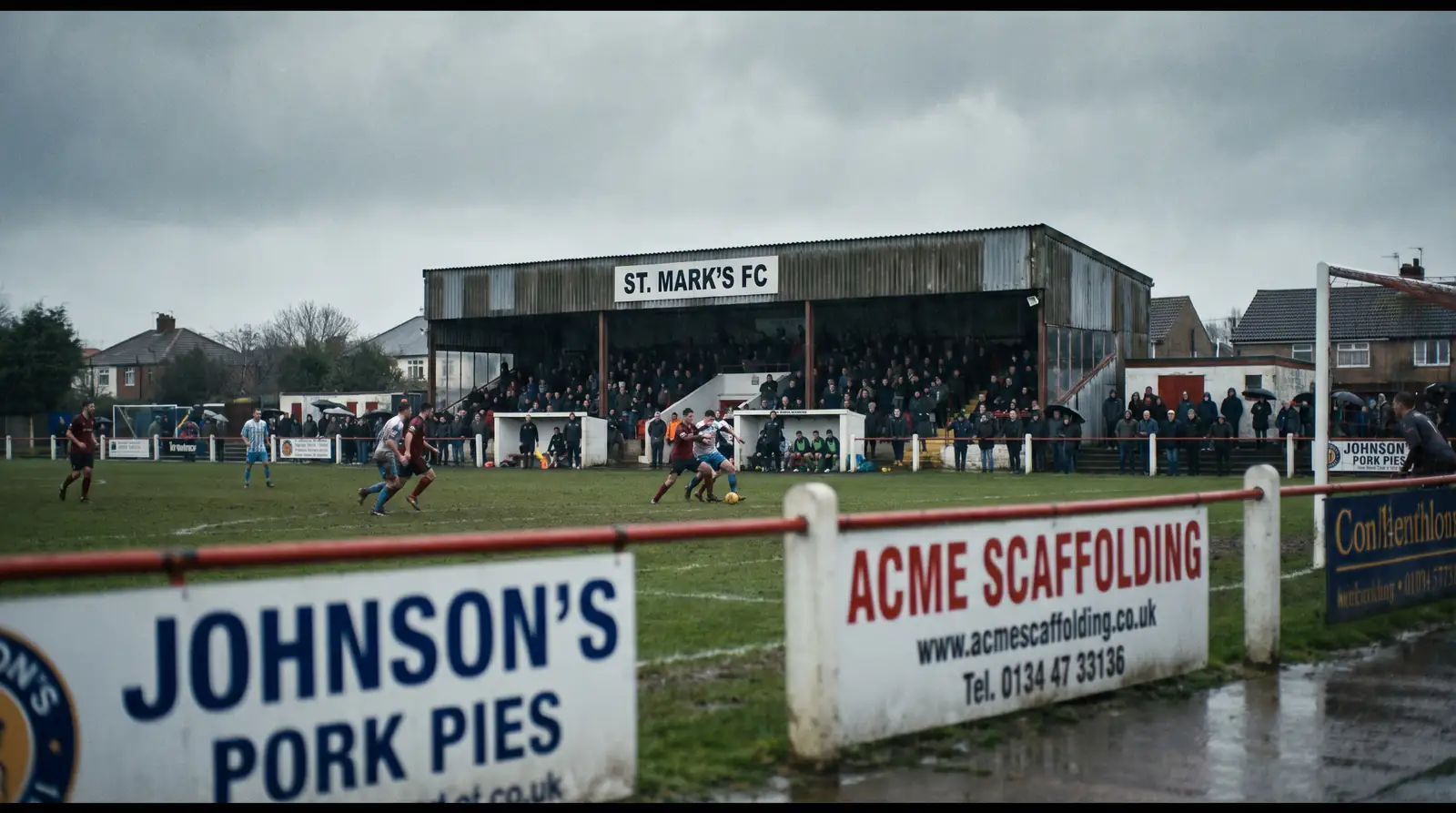
The Gambling Commission’s enforcement data — 741 cease-and-desist orders and nearly 400,000 URLs reported in 2025-26 — demonstrates the scale of the unlicensed operator problem. Allowing those operators to sponsor football clubs directly undermines the Commission’s enforcement efforts by giving unlicensed brands a veneer of legitimacy.
What This Means for Football Bettors in Practice
If you are a bettor, the sponsorship ban changes nothing about how you bet. The same operators offer the same markets at odds determined by the same models. The ban is a visibility change, not a structural one.
What it may change is the promotional landscape. Gambling operators that relied on shirt sponsorship as a primary customer acquisition channel will redirect that marketing spend elsewhere — likely towards digital advertising, social media campaigns, and enhanced promotional offers. In the short term, bettors may see more generous online promotions as operators compete for attention through channels other than shirt sponsorship. In the medium term, the Remote Gaming Duty increase to 40% will likely offset any promotional generosity by compressing operator margins.
The more meaningful impact for bettors is the broader direction of regulation. The shirt sponsorship ban is one element of a wider trend towards reducing the normalisation of gambling in football. If that trend continues — and the political momentum suggests it will — expect further restrictions on advertising during live broadcasts, tighter rules on social media promotion, and potentially a mandatory extension of the ban to lower leagues. None of these changes affect your ability to place a bet, but they will reshape the environment in which you encounter betting opportunities. For context on how the other major regulatory change — the Remote Gaming Duty increase — affects what you actually pay through tighter odds, the Premier League betting tips guide covers the pricing implications for the top flight specifically.
Are gambling companies still allowed to sponsor football in any way?
Yes. The Premier League ban covers front-of-shirt sponsorship only. Gambling brands can still sponsor sleeves, training kits, stadiums, and pitch-side advertising in the top flight. Below the Premier League, there are currently no equivalent restrictions — EFL and National League clubs can carry gambling brands as primary shirt sponsors, including some operators without a UKGC licence.
Does the sponsorship ban affect how much gambling advertising I see during matches?
Marginally. The removal of front-of-shirt logos reduces one high-visibility channel, but gambling advertising around football extends well beyond shirts — stadium perimeter boards, broadcast sponsorship, digital advertising, and social media all remain active channels. The overall volume of gambling advertising exposure during a match is likely to decrease only slightly in the short term.
