
 Available in US
Content

Cash Out Gives You Control — but the Bookmaker Sets the Price
I once had a pre-match bet on a Championship side to win at 3.20. They went 2-0 up by the 55th minute and the cash-out offer was sitting at 78% of the full potential payout. I took it. They held on and won 2-1. The maths said I left money on the table. My nerves said I made the right call. That tension — between what the numbers say and what your stomach says — is the entire story of cash out in football betting.
With over 290 million online bets placed monthly in the UK, cash out has become one of the most used features in football betting apps. It lets you settle a bet early, locking in a profit or cutting a loss before the final whistle. The feature feels empowering. What most bettors do not realise is that the cash-out offer is itself a bet — one that the bookmaker prices with their own margin built in.
How Bookmakers Calculate the Cash Out Offer
The cash-out price is not your bet’s “fair value”. It is the bookmaker’s estimate of what your bet is worth, minus a margin. Think of it as the operator buying back your position at a discount — the same way a pawnshop buys a watch for less than it is worth.
The calculation works by repricing your original bet at the current in-play odds. If you backed a home win at 3.20 pre-match and the home side is now winning 1-0 at half-time, the in-play odds for a home win might be 1.30. The bookmaker calculates what your stake would return at those new odds and then applies a margin — typically 3-8% — to produce the cash-out offer. Flutter Entertainment, parent of several major UK operators, generated roughly 1.7 billion dollars from UK and Irish sports betting in 2024. Cash out contributes to that revenue because every early settlement is priced in the operator’s favour.
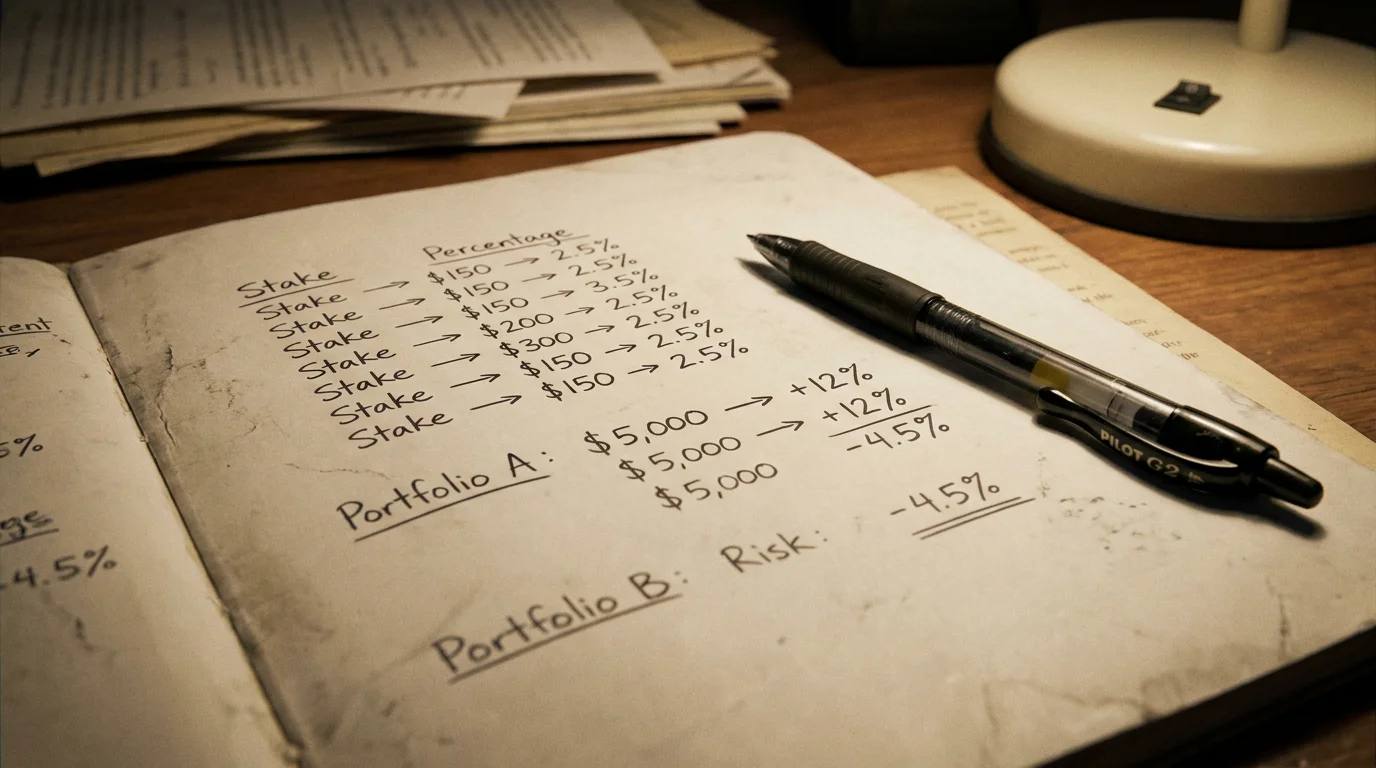
The margin on cash out is not fixed. It varies by sport, by market, and by how much of the event remains. Cash-out margins are typically widest in the first 30 minutes of a match — when the most playing time remains and uncertainty is highest — and narrowest in the final ten minutes. If you are going to cash out, doing it later in the match generally gets you a better price relative to the underlying probability.

Scenarios Where Cashing Out Makes Mathematical Sense
Most of the time, letting the bet run is the mathematically correct decision. The cash-out margin means you are consistently selling your position at below-market value. Over hundreds of bets, that drag compounds. But there are specific scenarios where cashing out is defensible.
The first is when new information changes your assessment of the outcome’s probability more than the odds have adjusted. If you backed over 2.5 goals and both teams have scored by the 20th minute, the cash-out offer reflects the updated live odds. But if you can see that the match has shifted tactically — one side has made a defensive substitution, the pace has slowed, the referee is managing the game conservatively — your probability estimate may be lower than the market’s. Cashing out locks in value that you believe the market is about to take away.
The second is when the stake represents a proportion of your bankroll that you are no longer comfortable risking. If a 20-pound bet on a five-fold accumulator is offering a 400-pound cash out with two legs remaining, and 400 pounds is a significant portion of your betting bank, the utility value of securing that profit may outweigh the mathematical cost of the cash-out margin. This is not about expected value — it is about bankroll preservation.

The third is when the bet was placed impulsively and you have reassessed. We all place bets we regret. Cash out gives you an exit. The cost of that exit — the margin — is the price of correcting a mistake. That is usually worth paying.
Partial Cash Out: Splitting the Decision
Partial cash out lets you settle a fraction of your bet while leaving the rest active. If your 10-pound bet has a cash-out offer of 30 pounds, you might cash out 50% — taking 15 pounds immediately and leaving the remaining half of the bet to run at reduced exposure.
I use partial cash out more than full cash out. It addresses the bankroll-preservation scenario without completely surrendering the remaining edge. If my original bet was placed on the basis of sound analysis, partially cashing out secures some profit while maintaining exposure to the outcome I still believe is likely. The margin cost applies only to the portion cashed out, not the full bet.

The practical tip is to think of partial cash out in percentage terms, not absolute amounts. Cashing out 30% of a bet that is performing well is a conservative hedge. Cashing out 80% is effectively closing the position. I rarely cash out more than 50% on a bet I still believe in — the point is to reduce risk, not to abandon the thesis.
The Psychology of Cash Out: Loss Aversion in Action
The reason cash out is so popular — and so profitable for bookmakers — is that it exploits a cognitive bias called loss aversion. The pain of losing 20 pounds feels roughly twice as intense as the pleasure of gaining 20 pounds. When your bet is winning and the cash-out button is glowing green, your brain screams at you to take the money. The fear of watching a winning position collapse is viscerally powerful.
Bookmakers know this. The cash-out feature is deliberately designed to be prominent, accessible, and visually reinforcing. A pulsing button, a green number, a countdown timer — these are not neutral design choices. They create urgency that favours the operator. Every time you cash out under emotional pressure, you are paying the margin premium to resolve an emotional state, not to make a mathematically sound decision.
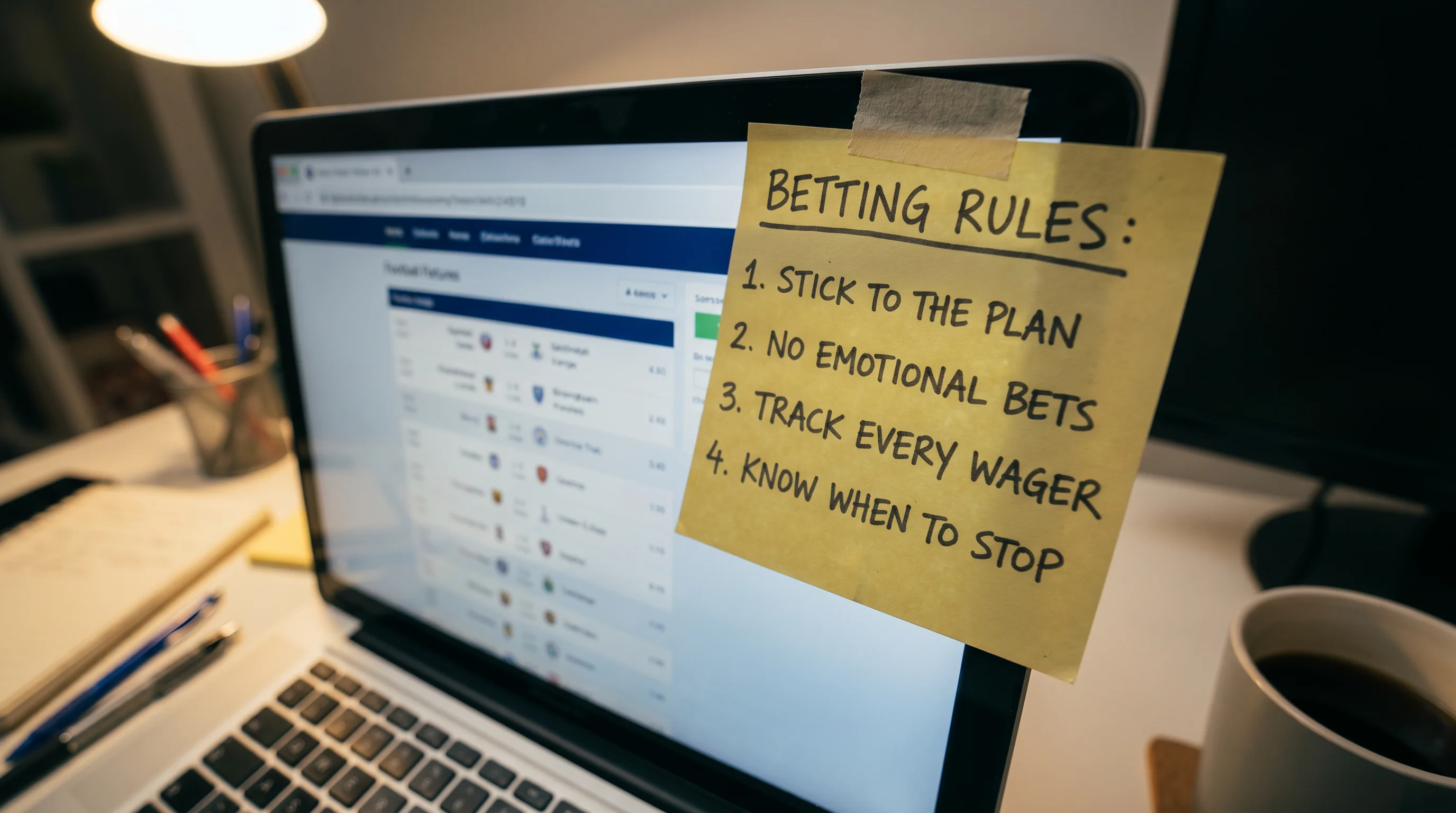
The discipline I have developed over eight years is to make the cash-out decision before the match starts. When I place a pre-match bet, I write a note: “Cash out if [specific scenario] occurs.” If the scenario happens, I cash out. If it does not, I let the bet run regardless of what the cash-out button says. Removing the real-time decision from an emotionally charged moment is the single most effective way to reduce the margin cost of cash out over time. For a broader framework on managing the psychological challenges of live betting, the in-play football betting guide covers timing, risk, and the specific pressures of betting during a match.
Do bookmakers make more money when I cash out?
Yes, in aggregate. The cash-out offer includes a margin of 3-8% in the bookmaker’s favour, which means you are consistently selling your position below its fair market value. Over hundreds of cash-out decisions, this margin produces a meaningful additional revenue stream for the operator that would not exist if you let your bets run to settlement.
Can I cash out an accumulator if one leg has already lost?
No. If any leg of your accumulator has already lost, the bet is settled as a loser and no cash-out option is available. Cash out is only offered on active bets where all legs are still in play. Some operators offer acca insurance products that return your stake as a free bet if one leg loses, but this is a separate promotion, not a cash-out feature.
