
 Available in US
Content
2.7% of UK Adults Score as Problem Gamblers — and Football Is the Biggest Category
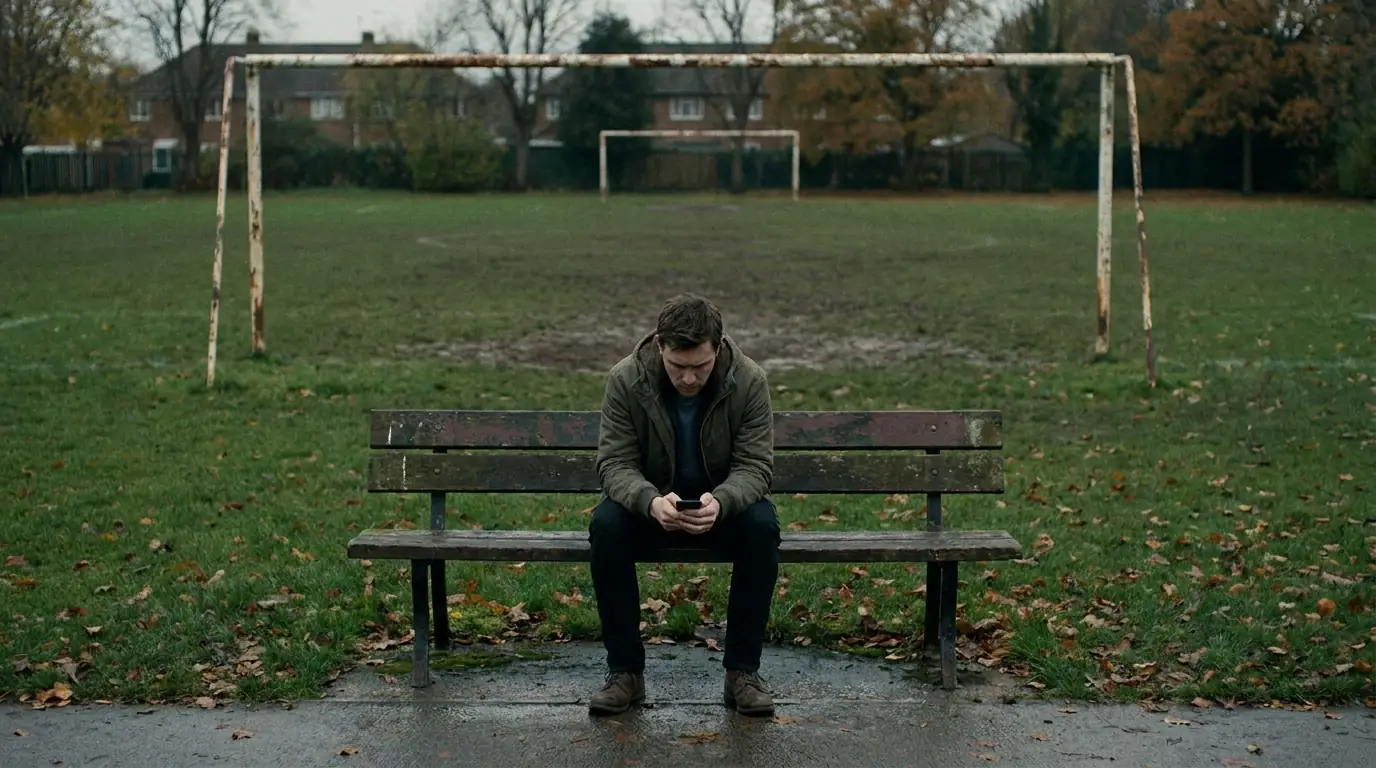
I have watched a close friend’s relationship with football betting deteriorate from an enjoyable Saturday afternoon habit to something that consumed his weekday evenings, disrupted his sleep, and strained his marriage. He is not in the 2.7% who score as problem gamblers on the PGSI scale — he caught it before it reached that point. But he got close enough to tell me, months later, that he had not realised how quickly the line moves.
Football is the most popular form of sports betting in the UK, with 5.8% of adults placing football bets. That overlap between a sport people love watching and a product designed to heighten engagement creates a risk that generic “gamble responsibly” stickers do not address. This is not a section about slogans. It is about what the data actually shows, what tools actually exist, and where people actually go when they need help.

Understanding the PGSI Scale and What It Measures
The Problem Gambling Severity Index is a nine-question screening tool that measures gambling-related harm. Each question asks about behaviour over the past 12 months — things like whether you have bet more than you could afford to lose, whether you have needed to gamble with larger amounts to get the same feeling of excitement, and whether your gambling has caused health problems including stress or anxiety.
Scores range from 0 to 27. A score of 0 means no risk. A score of 1-2 indicates low risk. A score of 3-7 indicates moderate risk. A score of 8 or above is classified as problem gambling. Among UK adults, 8.8% score in the low-risk band, 3.1% in the moderate-risk band, and 2.7% at the problem gambling threshold. Among 18-24 year olds, the picture is sharper: 5.3% score 8 or above, the highest rate of any age group.
The PGSI is not a diagnostic tool — it is a screening indicator. A high score does not mean you have a clinical gambling disorder, but it does mean your gambling behaviour is causing measurable harm in your life. If you have never taken the test, I would encourage you to do so honestly. The questions are available freely from GambleAware. The exercise takes two minutes and the results may surprise you.

Deposit Limits, Session Alerts, and Reality Checks
Every UKGC-licensed operator must offer these tools. The problem is not availability — it is visibility and uptake. Most bettors never activate them, and the operators have limited incentive to push them prominently because they reduce revenue.
Deposit limits are the most effective single tool available to you. Set a daily, weekly, or monthly cap on how much you can deposit, and the system enforces it rigidly. You can lower a deposit limit instantly, but raising it requires a cooling-off period — typically 24 hours. That asymmetry is deliberate and valuable: it creates a barrier against impulsive escalation.
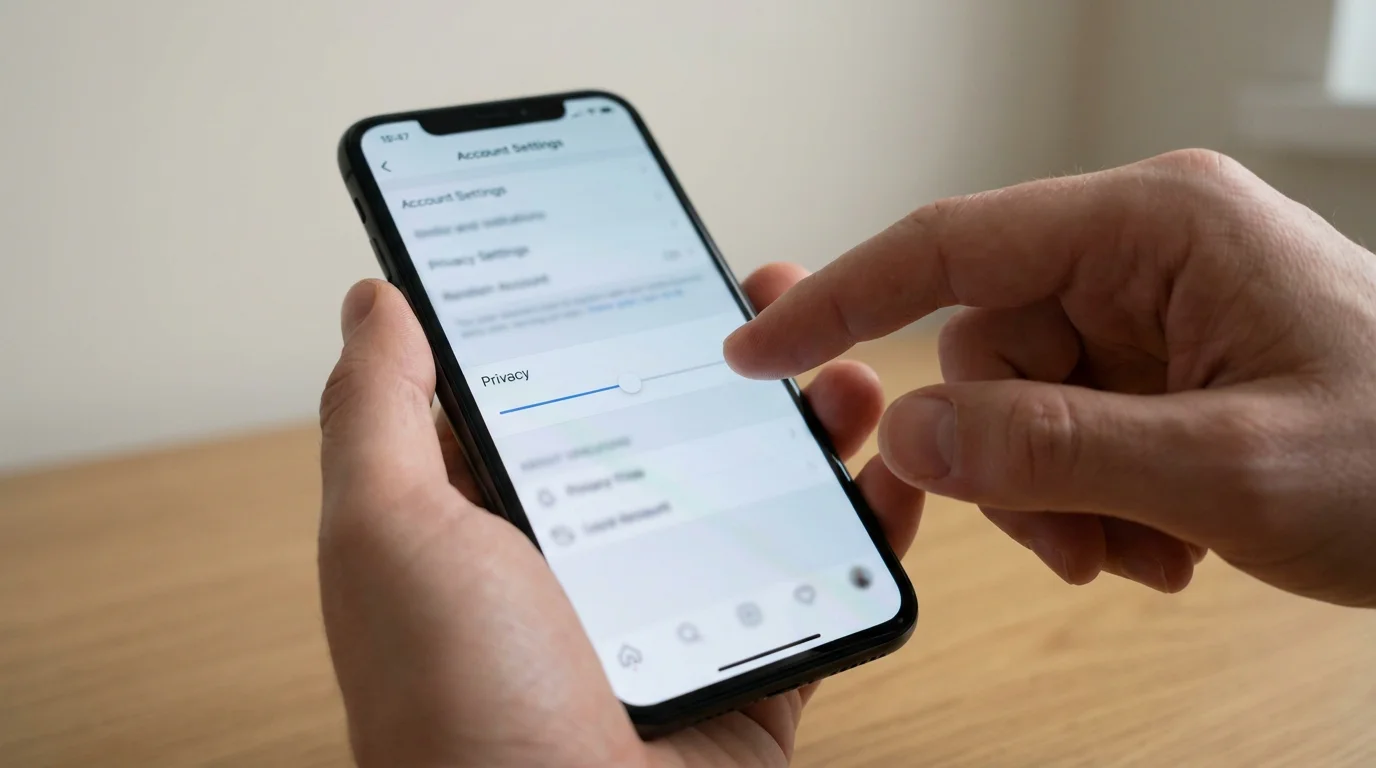
Session time alerts notify you when you have been active on the platform for a set period. I run mine at 60 minutes. When the alert fires, it breaks the engagement loop — that cycle of checking odds, placing a bet, watching the result, checking odds again — that can absorb hours without you noticing. The alert itself is easy to dismiss, which is why I pair it with a personal rule: when the alert fires, I close the app and do not reopen it for at least 30 minutes.
Reality checks are periodic pop-ups that show your session duration and net profit or loss. They are less intrusive than session alerts but serve a similar purpose: forcing a moment of awareness into an otherwise seamless experience. I find them most useful during in-play betting sessions, where the pace of events can suppress self-monitoring.
GamStop Self-Exclusion: How It Works and Its Limitations
GamStop is the UK’s national self-exclusion scheme. When you register, you are blocked from all UKGC-licensed online gambling operators for a minimum of six months, with options for one year or five years. The block is comprehensive: you cannot create new accounts, deposit funds, or place bets with any participating operator during the exclusion period.
The limitation is that GamStop only covers licensed operators. It does not block unlicensed sites, cryptocurrency gambling platforms, or offshore operators without a UKGC licence. This is a significant gap. Data from industry submissions shows that 67% of GamStop registrants were subsequently found on unlicensed sites. The self-exclusion works as intended within the regulated market but cannot prevent someone from seeking out unregulated alternatives.

Reversing a GamStop exclusion is not straightforward. The minimum period must expire before you can request removal, and the process includes a mandatory cooling-off period. This is by design — the friction is protective. If you register for self-exclusion in a moment of crisis, the system prevents you from undoing that decision while the crisis is still fresh.
Where to Get Help: GambleAware, Gamban, and NHS Services
If your football betting has moved beyond entertainment and is causing financial, emotional, or relational harm, support exists and it is free.
The National Gambling Helpline, operated by GambleAware, provides confidential advice and support by phone and live chat. It is staffed by trained advisers who understand the specific dynamics of gambling-related harm and can signpost appropriate treatment services. The helpline is not just for crisis situations — it is also for people who are worried about their gambling but have not yet reached a point of crisis.
Gamban is a software tool that blocks access to gambling websites and apps across all your devices. Unlike GamStop, which relies on operator compliance, Gamban works at the device level — it prevents your browser and apps from connecting to known gambling sites. It covers a wider range of sites than GamStop, including some unlicensed operators, though no blocking tool is 100% comprehensive.
The NHS provides specialist treatment for gambling disorder through the National Gambling Treatment Service. This includes cognitive behavioural therapy, which has the strongest evidence base for treating gambling-related harm. Referral can come through your GP or through self-referral directly to the service. Waiting times vary by region, but the service is free at the point of access.

The data shows that 12.2% of participants in the Gambling Survey for Great Britain reported suicidal thoughts or attempts in the past year, with 5.2% attributing those thoughts partially or wholly to gambling. These numbers are not abstract. They represent people whose engagement with a legal, regulated product has escalated to a point of genuine danger. If you recognise yourself in any of the PGSI questions, reaching out is not a sign of failure — it is the most rational response to a situation that is designed to escalate. For a broader look at the psychological dynamics that drive these patterns, the beginners guide covers setting limits from day one — the single most effective preventive step.

How do I self-exclude from all UK football betting sites at once?
Register with GamStop, the national self-exclusion scheme. A single registration blocks you from all UKGC-licensed online gambling operators for your chosen period — six months, one year, or five years. The block covers all gambling products, not just football betting, and applies to every licensed online operator in the UK.
Can I reverse a GamStop self-exclusion early?
No. The minimum exclusion period must expire before you can request removal. A six-month exclusion cannot be shortened to three months, regardless of circumstances. Once the minimum period has passed, you can request to be removed, but the process includes a mandatory cooling-off period before your access is restored.
