
 Available in US
Content
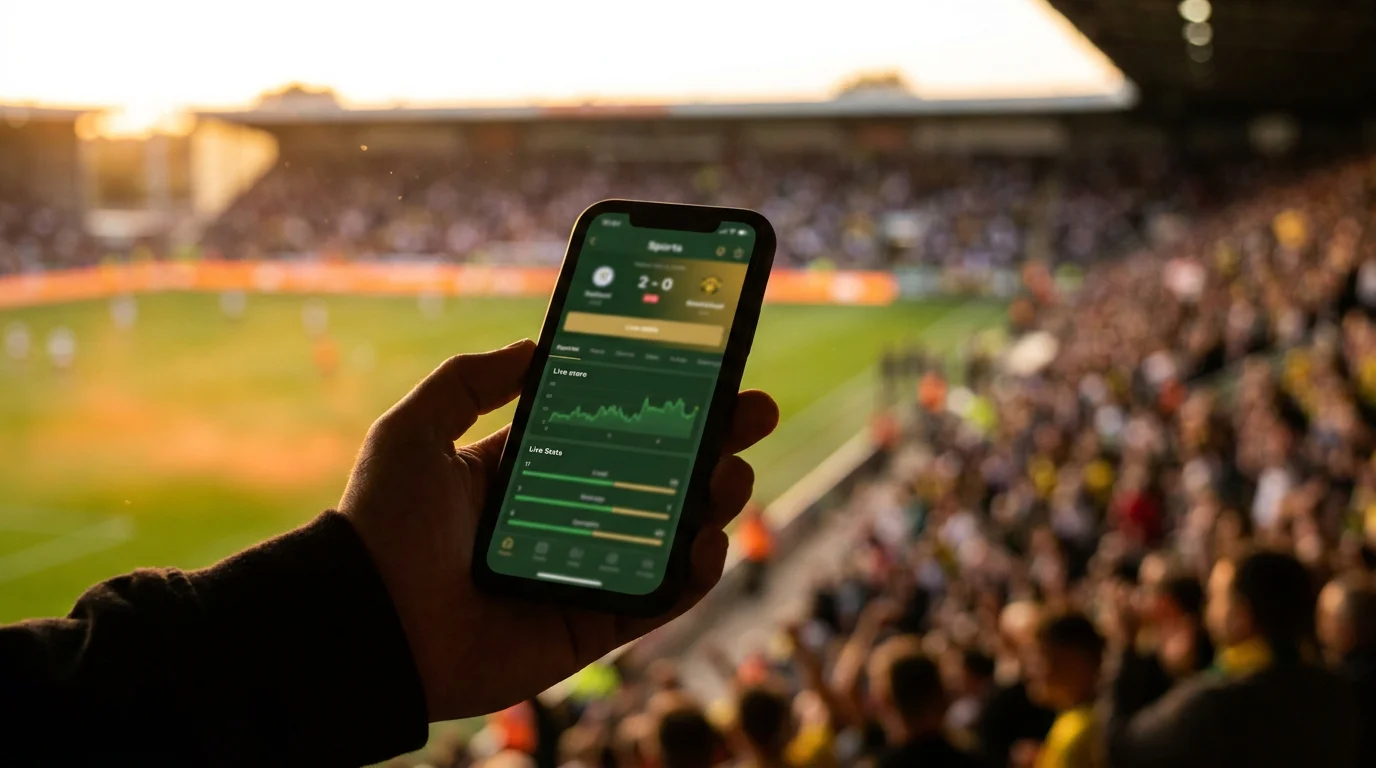
Mobile Is Now the Default for UK Football Betting
I bet from my phone about 90% of the time. I am not unusual. When over 290 million online bets are placed in the UK every month and 6% of all adults bet on live football, the vast majority of that volume runs through mobile apps. Desktop is for analysis. The phone is for execution.
The shift to mobile has changed what matters in a betting app. Five years ago, having a functional app at all was a competitive advantage. Now every major operator has one, and the differentiators have moved to speed, market depth, and how seamlessly the app handles the time-sensitive decisions that live football betting demands. Choosing the right app is not about which brand has the flashiest interface — it is about which one lets you place the bet you want, at the price you want, before the odds move.
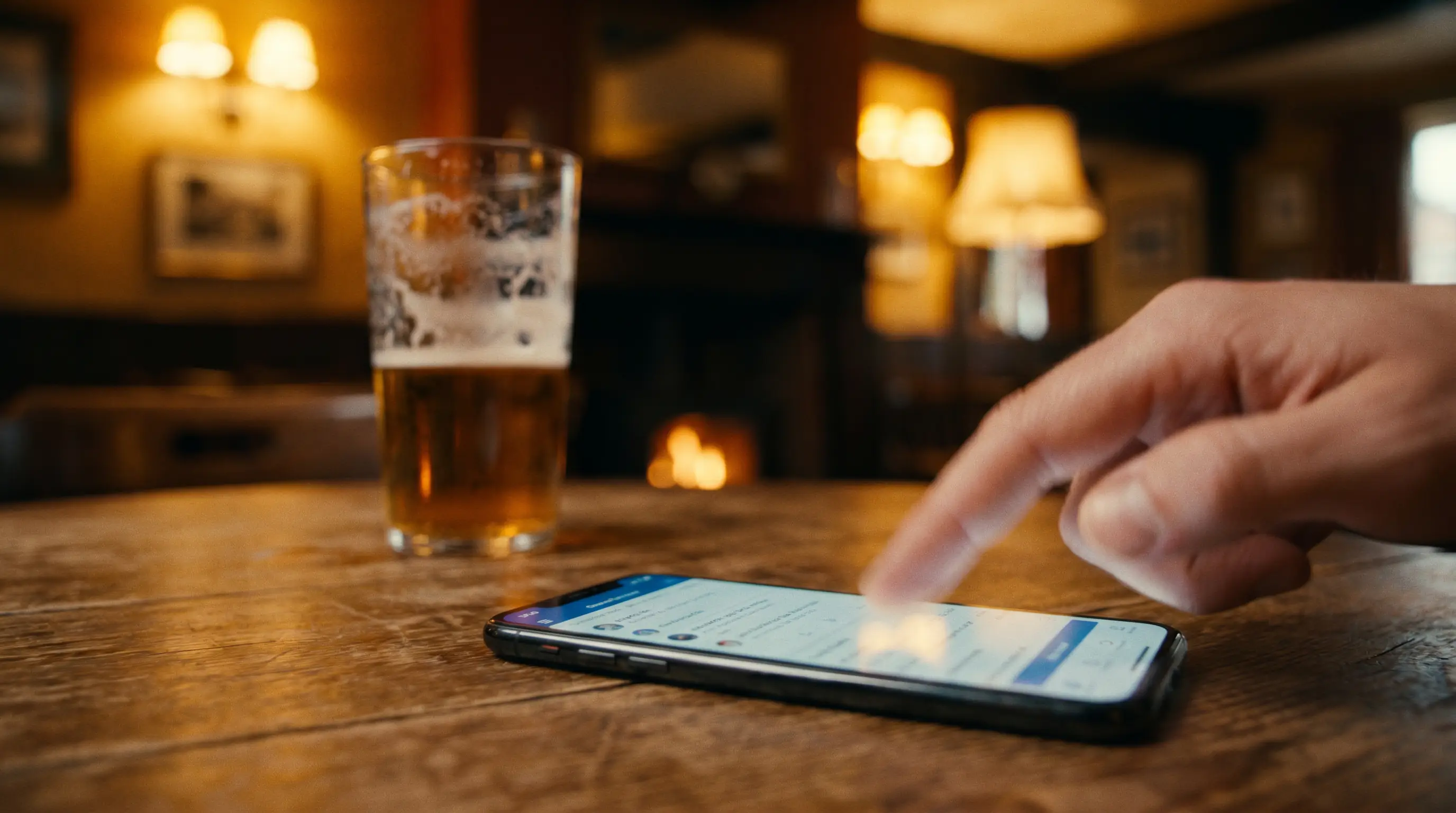
Key Features: Speed, Markets, and Bet Builders on Mobile
Speed is everything in a live betting context. The difference between an app that confirms your in-play bet in one second and one that takes four seconds is the difference between getting the price you saw and getting a rejection or a worse price. I have used apps where the lag on in-play bet placement was so severe that the odds changed between tapping the selection and confirming the slip. That is not a minor inconvenience — it is a material disadvantage.
Market depth varies more than you might expect. Some apps list 150+ markets per Premier League match. Others offer 80. The headline markets — 1X2, over/under, BTTS — are available everywhere, but if your analysis leads you to Asian handicaps, team-specific corners, or player shot markets, the number of apps that offer these with competitive pricing narrows quickly.
Bet builders have become a central feature of most UK betting apps, and the mobile implementation matters. Building a same-game multi on a small screen is fiddly if the interface is not well designed. The best implementations let you toggle selections in and out of the bet builder with the combined odds updating in real time. The worst require multiple taps per selection, load slowly, and present the combined odds only after you have finished building — by which time the match state may have changed.
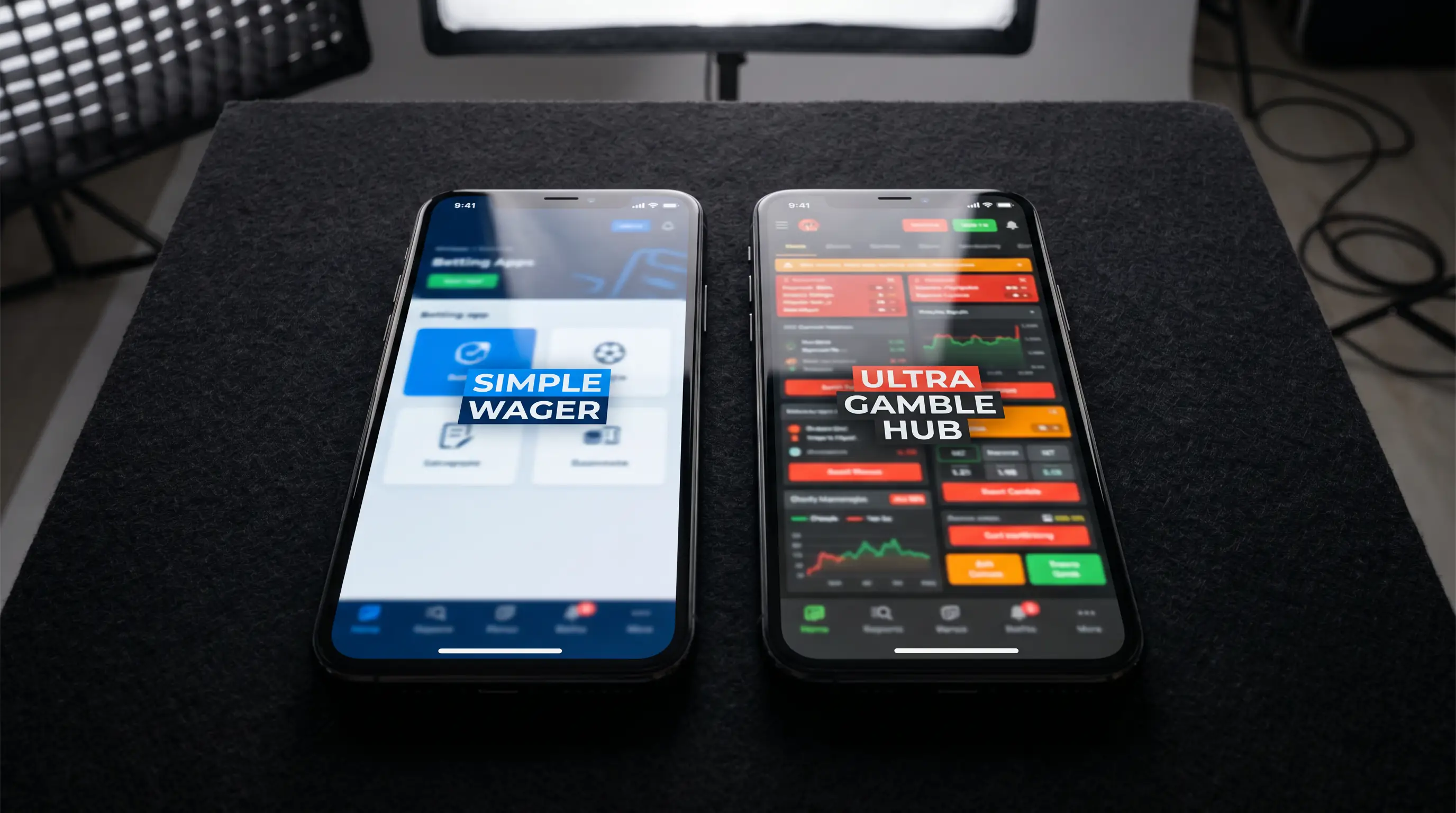
Push notifications are a double-edged sword. Useful when they alert you to a price boost on a market you are already tracking. Harmful when they create urgency to bet on something you have not analysed. I disable promotional push notifications on every app I use and enable only account-related alerts (deposit confirmations, bet settlements, session time reminders). The operator’s marketing team is not your friend.
Live Streaming and In-Play Betting on Mobile
Several UK apps offer live streaming of football matches directly within the app, subject to having a funded account or having placed a qualifying bet. Watching the match on the same device where you place your bets sounds convenient, and it is — but it also creates a specific risk.
The stream runs on a slight delay compared to the live odds feed. I have measured this across several apps and the typical delay is 5-15 seconds. That means the in-play odds you see are already adjusted for an event you have not yet seen on screen. If a corner is awarded, the odds shift before your stream shows the ball going out of play. This delay is not a bug — it is inherent to broadcast technology — but it means you should never use the in-app stream as your primary information source for in-play betting. Watch the match on television or a dedicated streaming service where the delay is shorter, and use the app purely for bet placement.
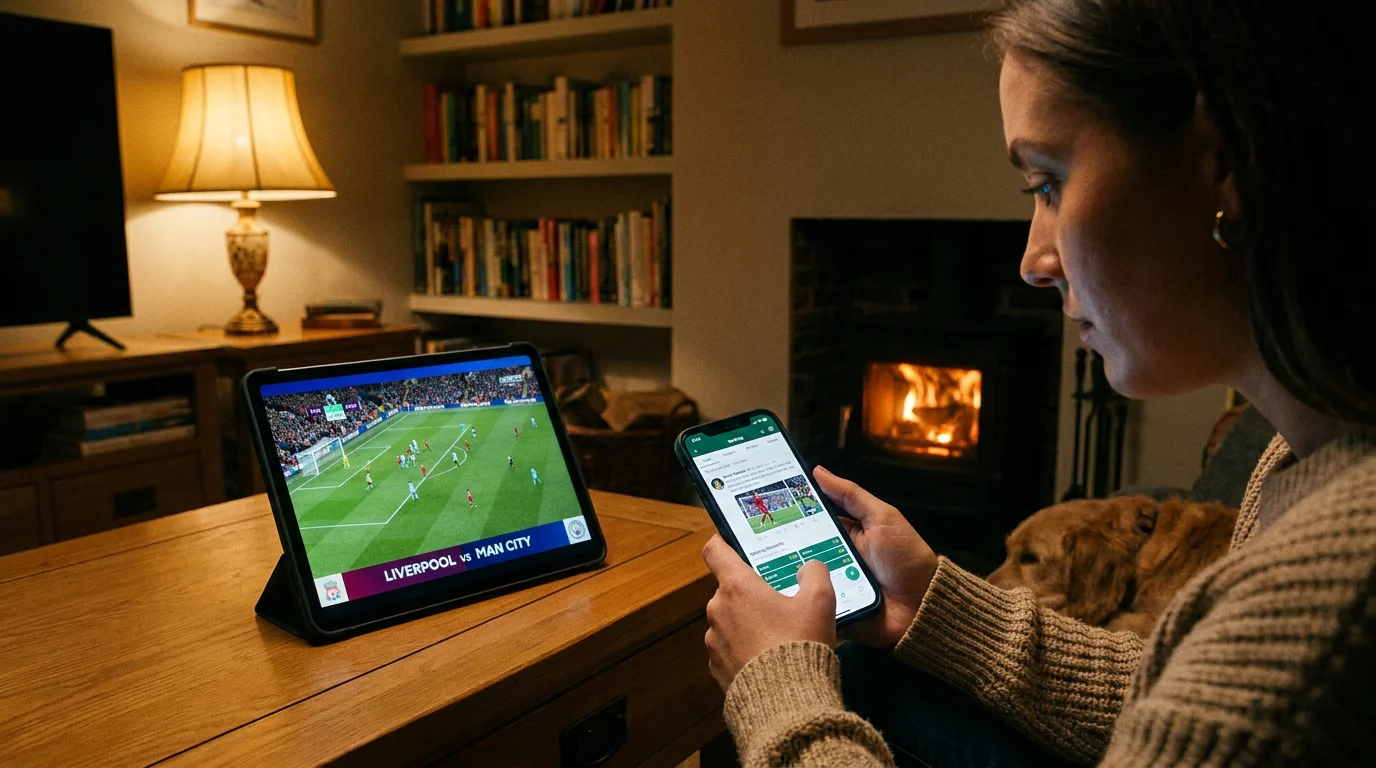
Audio commentary within apps is a useful supplement when you cannot watch the match. It updates faster than a video stream and gives you the narrative context that odds alone cannot provide. If I am betting in-play on a match I cannot watch, I listen to commentary on one source and track odds on the app separately.
Security and Responsible Gambling Tools in Apps
Every UKGC-licensed app must offer the same responsible gambling tools: deposit limits, loss limits, session time alerts, and access to self-exclusion through GamStop. The quality of implementation varies. Some apps bury the deposit limit setting three menu levels deep. Others put it on the main account screen where you see it every time you log in. That visibility matters. A tool you forget exists is a tool you do not use.

Biometric login — fingerprint or face recognition — is now standard on most apps. It is faster than entering a password, but it also removes a friction point that used to create a brief pause between impulse and action. When placing a bet required typing a password, you had a few seconds to reconsider. Biometric login eliminates that pause. I compensate by setting a mandatory bet confirmation step in every app I use, so I always see the full bet slip one more time before the stake is deducted.
Around 2.7% of UK adults score as problem gamblers on the PGSI scale, and the 18-24 age group — the demographic most likely to bet primarily through mobile — has the highest rate at 5.3%. The convenience of app-based betting is a genuine risk factor for this group. Setting limits before placing a single bet, using session alerts, and periodically reviewing betting history within the app are not optional precautions — they are basic hygiene.

How to Compare Football Betting Apps
When I evaluate a new app, I run it through a practical checklist over two weeks of actual use. I place at least ten bets across different markets and measure: how long the app takes to load and refresh odds, whether in-play bets are confirmed without delay, how many football markets are available for a mid-table Premier League match, whether the bet builder works smoothly on my device, and whether the cash-out feature functions reliably during live matches.
I also test the app’s behaviour under poor network conditions. Betting at a stadium with 30,000 other phone users on the same cell tower is a very different experience from betting on your sofa with strong WiFi. Apps that handle unstable connections gracefully — queuing your bet rather than crashing — are worth their weight in gold for matchday bettors.
The apps I keep on my phone long-term are the ones that balance three things: competitive pricing on the markets I bet most frequently, a reliable in-play experience, and responsible gambling tools that are visible without being patronising. No single app excels at all three, which is why most serious bettors maintain accounts with multiple operators. For guidance on evaluating the operators behind those apps, the best football betting sites guide covers the licensing and quality criteria that should underpin any app selection.
Is it better to bet on football via app or desktop?
Most bettors use both. Desktop is better for pre-match analysis, comparing odds across multiple operators in browser tabs, and reviewing historical data. The app is better for execution, especially in-play betting where speed matters. If you only use one, the app covers most use cases — but serious pre-match preparation benefits from a larger screen and multiple windows.
Can I use multiple football betting apps at the same time?
Yes, and most serious bettors do. Maintaining accounts with several operators lets you compare odds before placing a bet, access a wider range of markets, and take advantage of operator-specific promotions. The only practical constraint is managing deposit limits across multiple accounts to ensure your total spending stays within your planned budget.
