
 Available in US
Content
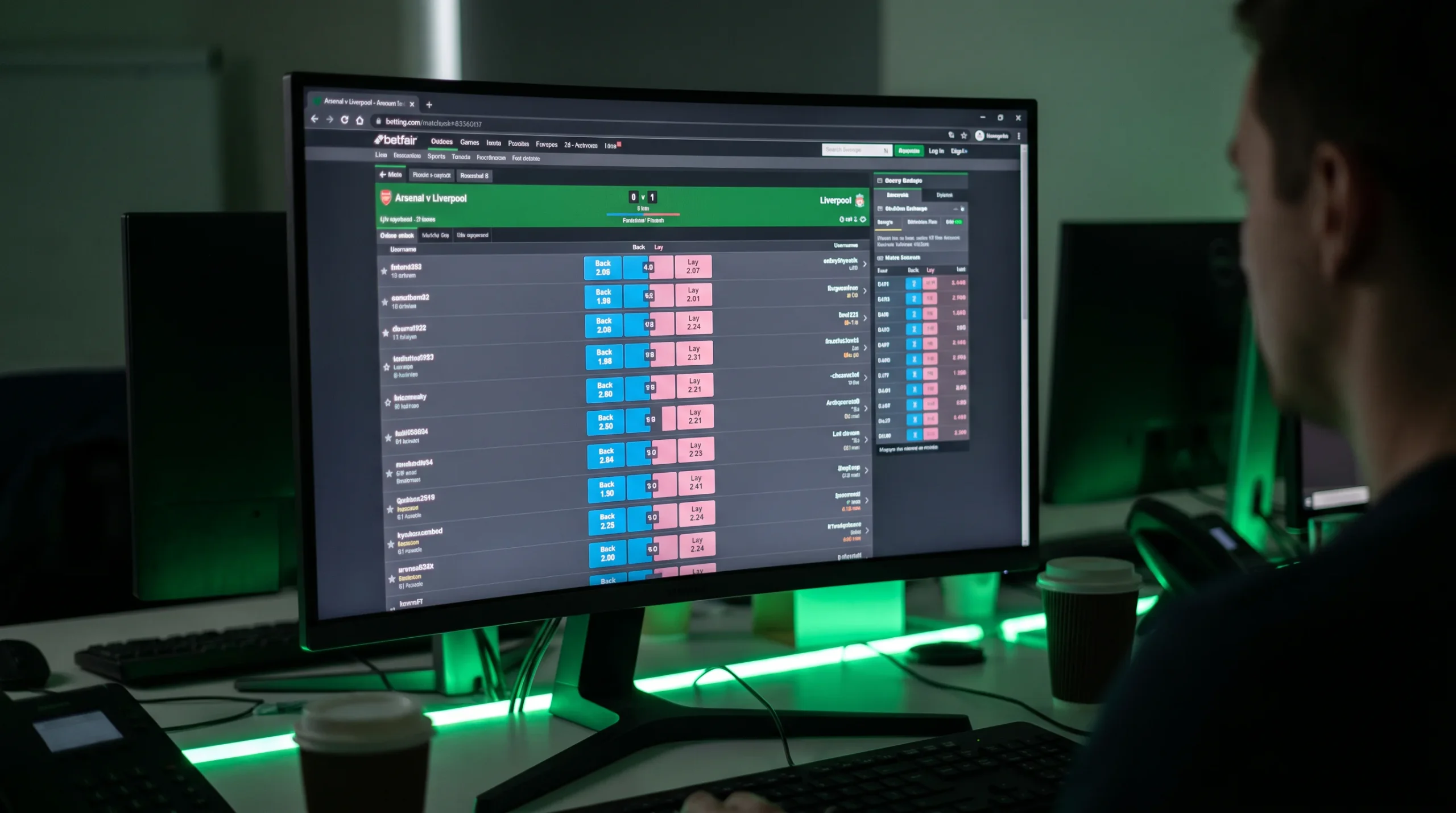
Exchanges Let You Bet Against Other Punters — Not Against the Bookmaker
The moment I understood what a betting exchange actually does, my entire approach to football betting shifted. At a traditional bookmaker, you are always betting against the house — and the house sets the odds in its own favour. On an exchange, you are betting against other people. The exchange takes a small commission on winning bets and otherwise stays out of the way. That structural difference produces better odds, more flexibility, and an entirely different set of strategic possibilities.
The total remote betting market in the UK generates approximately 2.6 billion pounds in gross gambling yield. Exchanges account for a smaller share than traditional bookmakers, but their influence on pricing is outsized — exchange odds often serve as the reference point for sharp bettors assessing whether a bookmaker’s price offers value.
Back and Lay: The Core Mechanic
On a traditional bookmaker, you can only “back” an outcome — bet that something will happen. On an exchange, you can also “lay” — bet that something will not happen. This is not a gimmick. It is the fundamental mechanism that makes the exchange work.
When you back a selection, you are offering to pay if you lose and collect if you win, just like a normal bet. When you lay a selection, you are taking the role of the bookmaker: you accept someone else’s back bet, collect their stake if they lose, and pay out if they win. Every matched bet on an exchange has a backer and a layer.
The practical application is powerful. If you believe a team will not win but you are unsure whether the result will be a draw or an away win, you can lay the home team. On a 1X2 market at a bookmaker, you would have to choose between backing the draw or backing the away win. On the exchange, the lay covers both outcomes in a single bet. Your only losing scenario is if the home team wins.
I use lay betting most frequently when my analysis suggests a favourite is overpriced. If a top-six side is priced at 1.50 to win a match and my model says their true probability is closer to 55% (fair odds 1.82), I lay them on the exchange. I do not need to pick the exact alternative outcome. I just need the favourite to not win.
Commission, Liquidity, and Market Depth
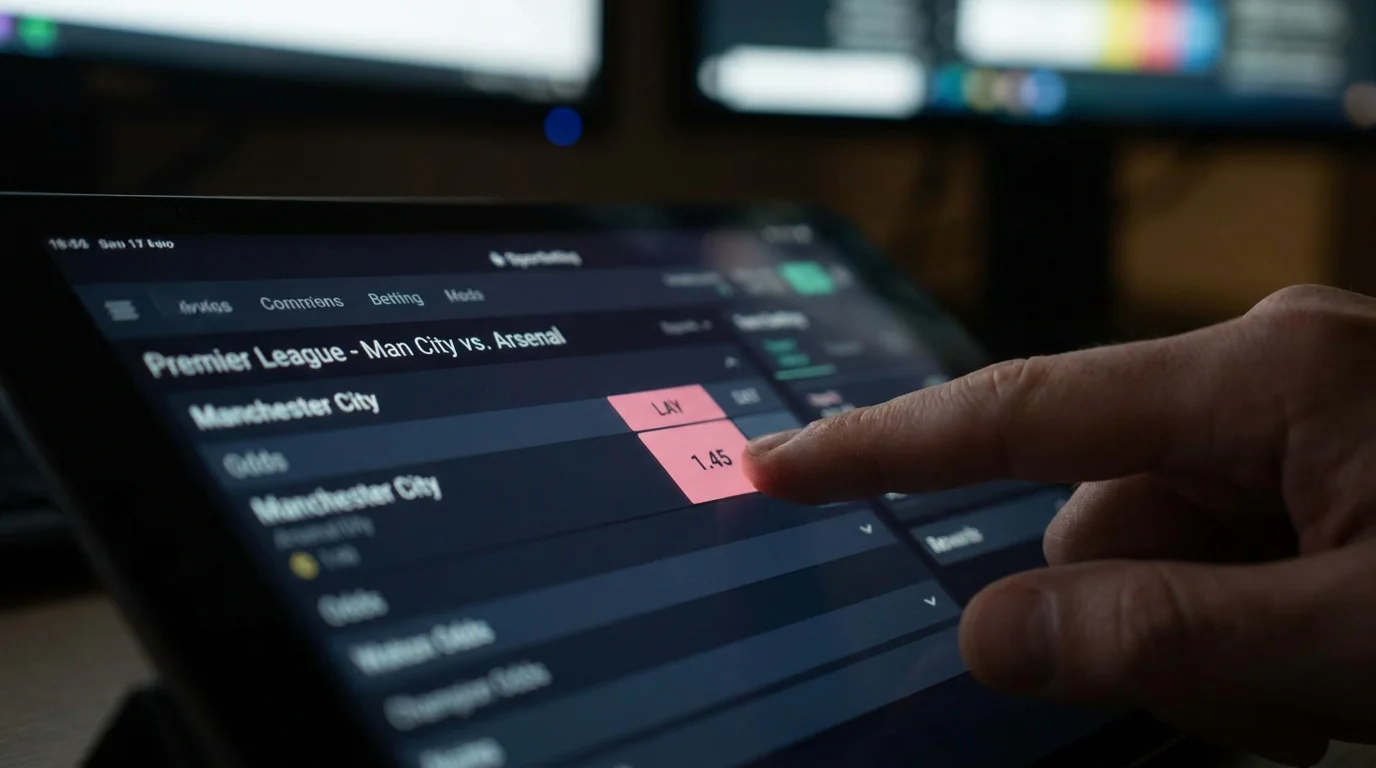
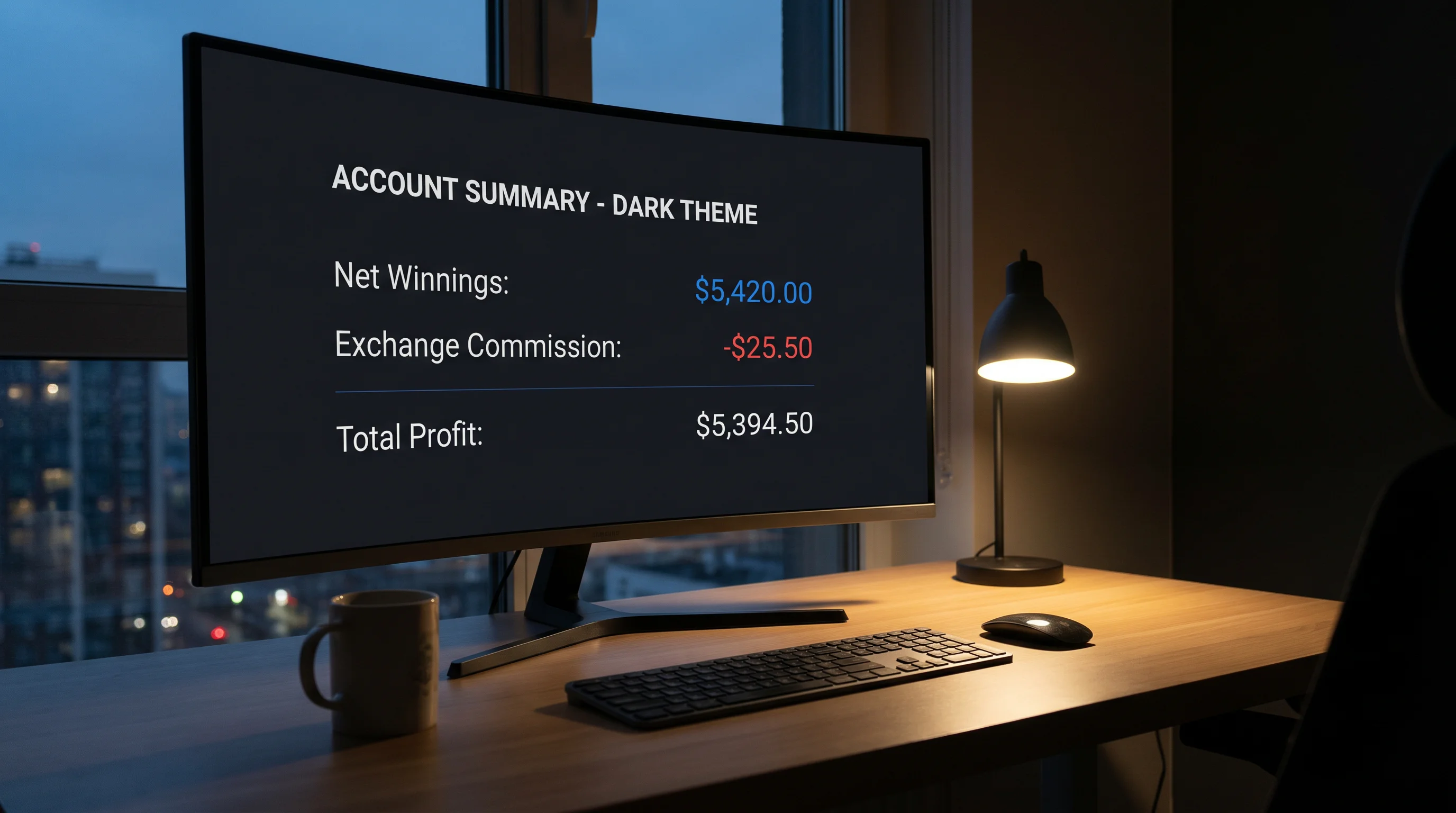
Exchanges charge commission on net winnings, typically 2-5% depending on the platform and your activity level. This commission replaces the bookmaker’s overround as the exchange’s revenue model. The net effect is usually still favourable to the bettor — a 2% commission on exchange odds of 2.10 is better value than bookmaker odds of 2.00 with a 5% margin built into the price.
Liquidity is the exchange’s Achilles heel. A market needs matched bets to function — if nobody is willing to lay your back bet, or back your lay, the bet does not get placed. Premier League matches have deep liquidity: you can back or lay thousands of pounds at competitive odds minutes before kick-off. League One matches might have thin liquidity with wide spreads between the best back and lay prices.
The number of active accounts across UK remote betting operators sits at around 24.4 million. Only a fraction of those use exchanges, which means the pool of counterparties is smaller than on a traditional bookmaker. For popular markets this is irrelevant. For niche markets — lower leagues, early-season outright futures, player-specific props — the lack of liquidity can make exchanges impractical.

When Exchange Odds Beat Bookmaker Odds
The general rule is that exchange odds are better for popular outcomes. If a team is priced at 1.80 by a bookmaker, the exchange back price is often 1.85-1.90 for the same selection. The difference is the margin the bookmaker embeds in their price that the exchange does not.
The advantage is most pronounced for short-priced selections. A bookmaker price of 1.30 might correspond to an exchange price of 1.35. In absolute terms that looks small, but in percentage terms the exchange price is 3.8% better. Over hundreds of bets on short-priced selections, that 3-4% improvement is the difference between a losing record and a profitable one.
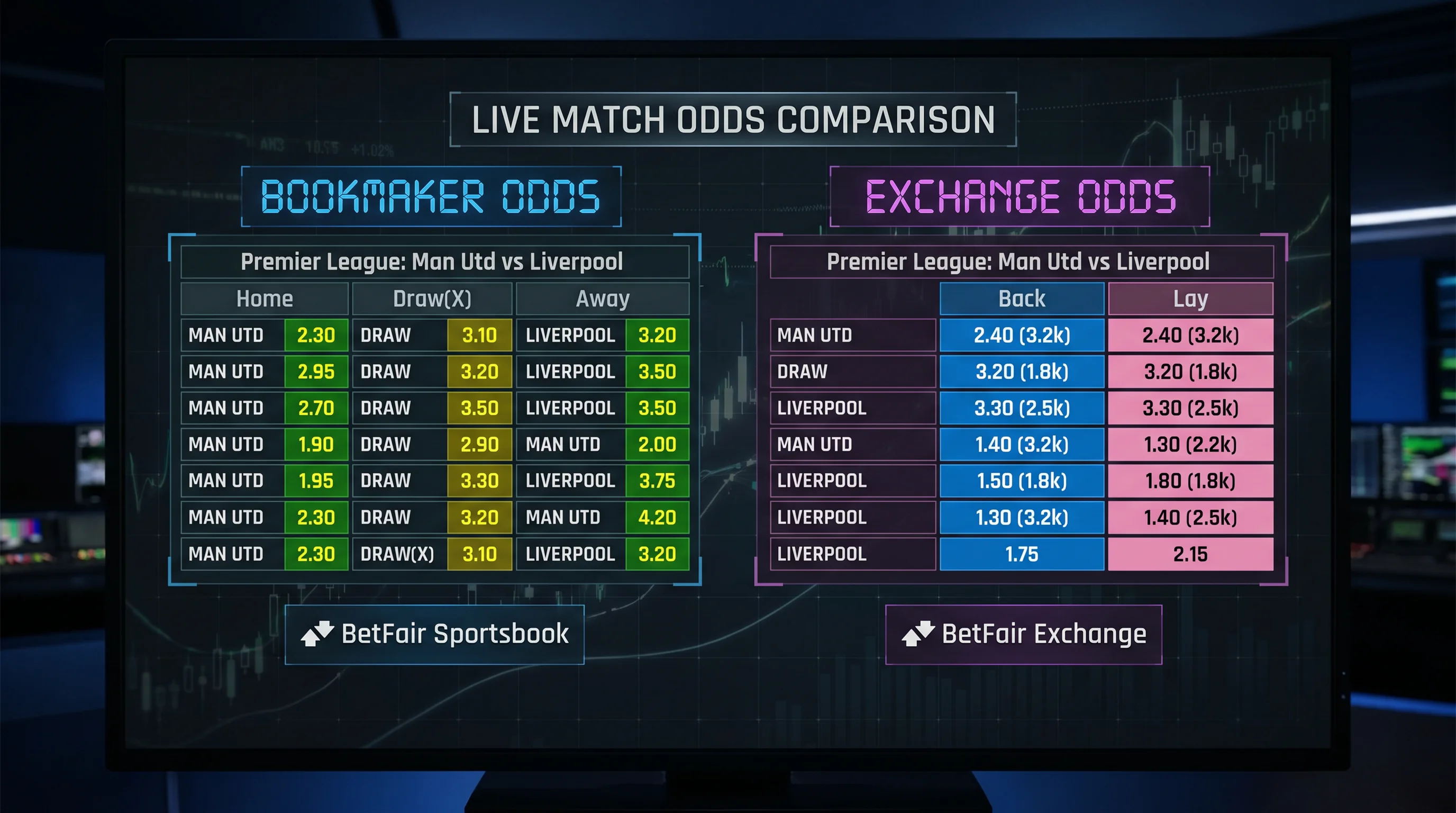
The advantage narrows or disappears for long-priced selections, where liquidity is thinner and the exchange spread is wider. If a bookmaker prices an outsider at 8.00 and the exchange back price is 8.20 but with only 50 pounds available, the theoretical advantage is real but practically limited.
Trading Football Markets: Greening Up and Scratching
The most sophisticated use of exchanges is trading — backing at one price and laying at a better price to lock in a profit regardless of the result. This is not gambling in the traditional sense. It is arbitrage within a single market, and it requires speed, discipline, and a willingness to accept small margins.
The standard trade is to back a selection before kick-off and lay it in-play after a favourable event — a goal, a red card, a dominant opening spell. If you back a team at 3.00 pre-match and they score first, the in-play lay price might drop to 1.60. You lay at 1.60 and the difference between the two prices, adjusted for stakes, produces a guaranteed profit on all outcomes. This is called “greening up”.
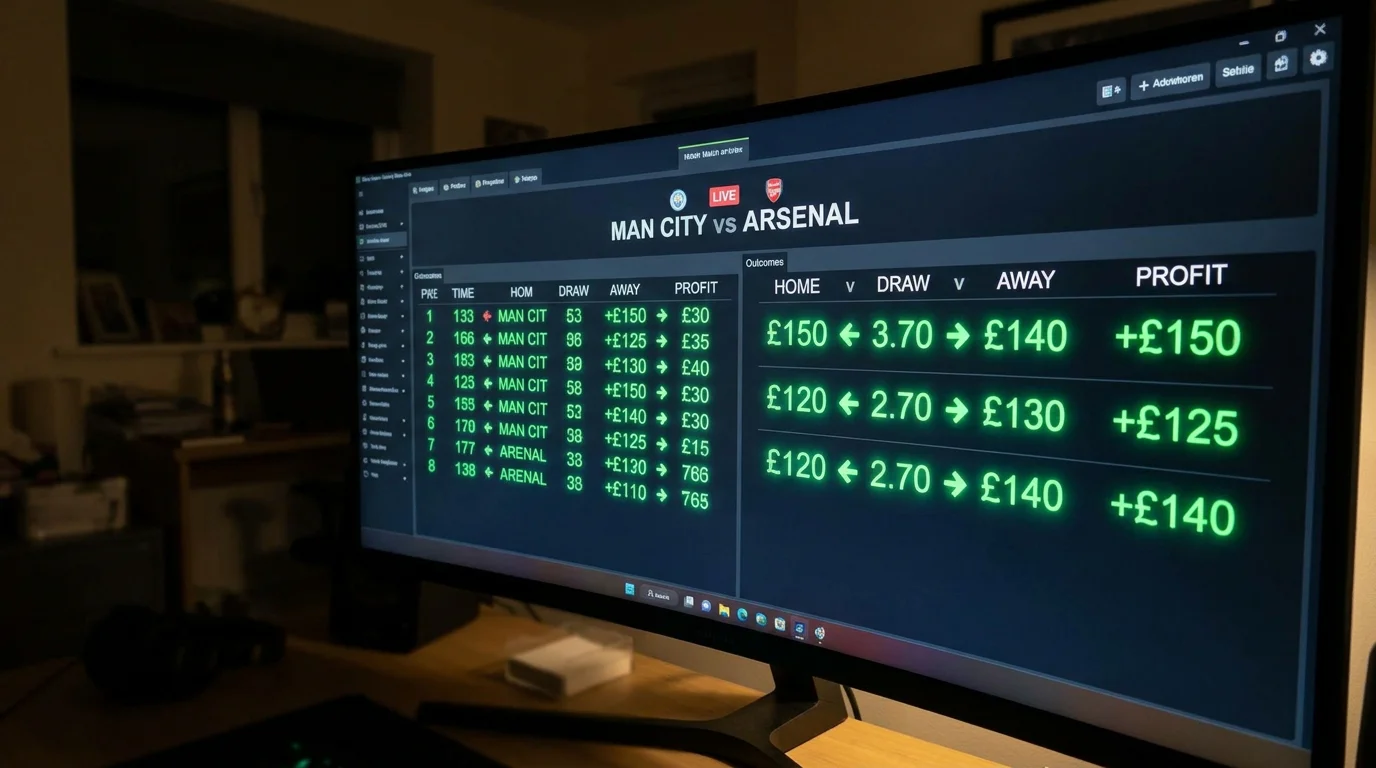
“Scratching” is the opposite: laying at a loss to exit a position that has moved against you. If you backed at 3.00 and the opposing team scores, the in-play price might move to 6.00. You can lay at 6.00 to limit your loss to a defined amount rather than riding the bet to settlement and risking a full-stake loss.
I trade football markets selectively — primarily in-play, primarily in matches where I expect early volatility. It is not my core strategy, but it complements my pre-match betting by giving me tools to manage positions during the match that no traditional bookmaker offers. For a broader comparison of how exchanges fit into the UK betting landscape, the best betting sites guide covers what to look for across both traditional operators and exchange platforms.
What is a lay bet in football exchange betting?
A lay bet is the opposite of a back bet. When you lay a selection, you are betting that it will not happen. You take the role of the bookmaker — collecting the backer’s stake if the selection loses, and paying out if it wins. On a football exchange, laying a home win means you profit if the match ends in a draw or an away win.
Do I pay commission on losing bets on a betting exchange?
No. Exchange commission is charged only on net winnings per market. If you lose a bet, you pay no commission — the losing stake goes to the counterparty. Commission is deducted from your profit when you win, at a rate typically between 2% and 5% depending on the exchange and your account status.
