
 Available in US
Content
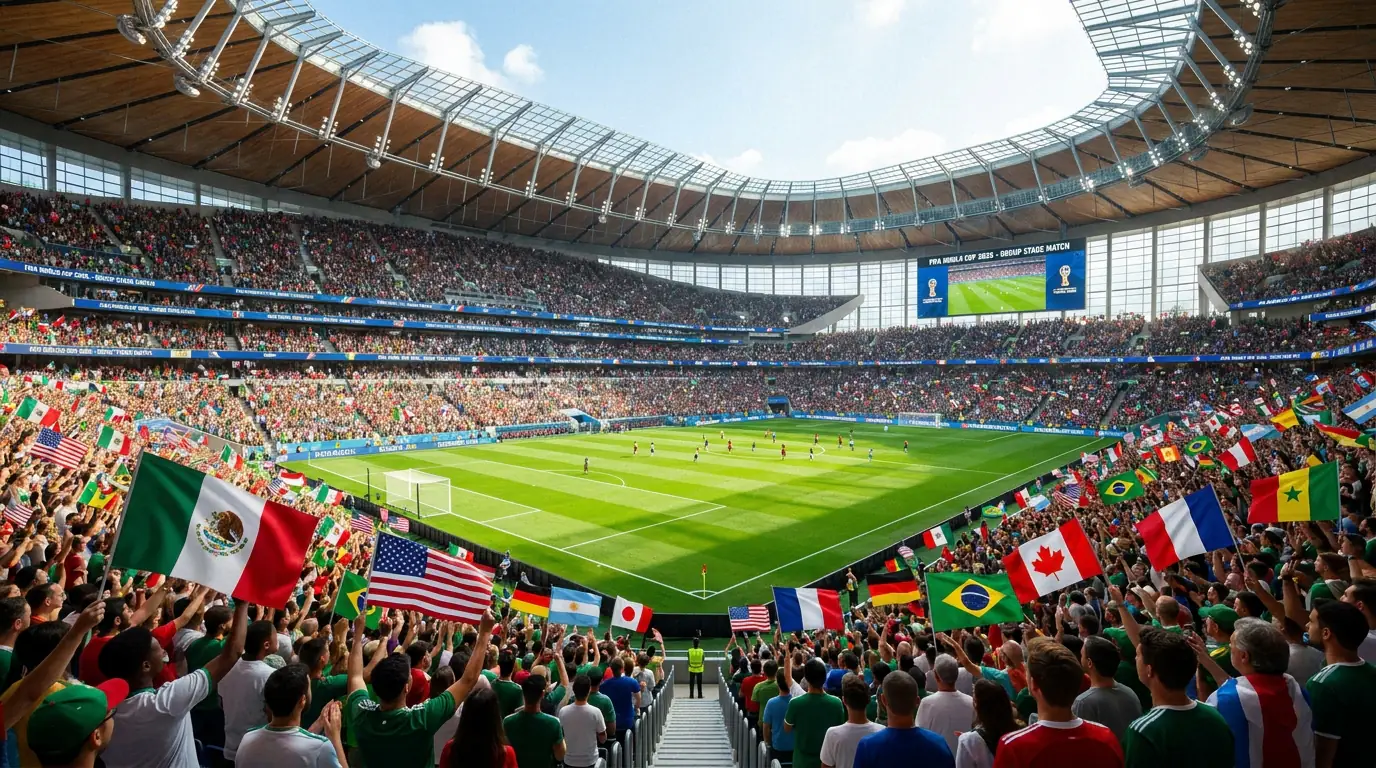
The 2026 World Cup Is the Biggest in Football History — and the Most Complex to Bet On
I have bet on every World Cup since 2010, and I have never faced a tournament where the old assumptions are less reliable. The 2026 FIFA World Cup is the first in the expanded 48-team format, featuring 104 matches across venues in the United States, Canada, and Mexico. That is nearly double the number of matches compared to 2022, with 16 additional teams that have never competed at this level or have not been present for decades.
For bookmakers and bettors alike, this creates a pricing problem. Historical World Cup data — the foundation of every tournament betting model — is based on 32-team formats with well-established group dynamics. The 48-team structure introduces variables that no model has been trained on: larger groups, a different qualification threshold for the knockout rounds, and a tier of teams whose form against elite opposition is essentially unmeasured. England sit among the favourites at roughly 6/1, with Spain, France, and Brazil as close competitors. But those odds are built on assumptions about tournament structure that are, at best, educated guesses.
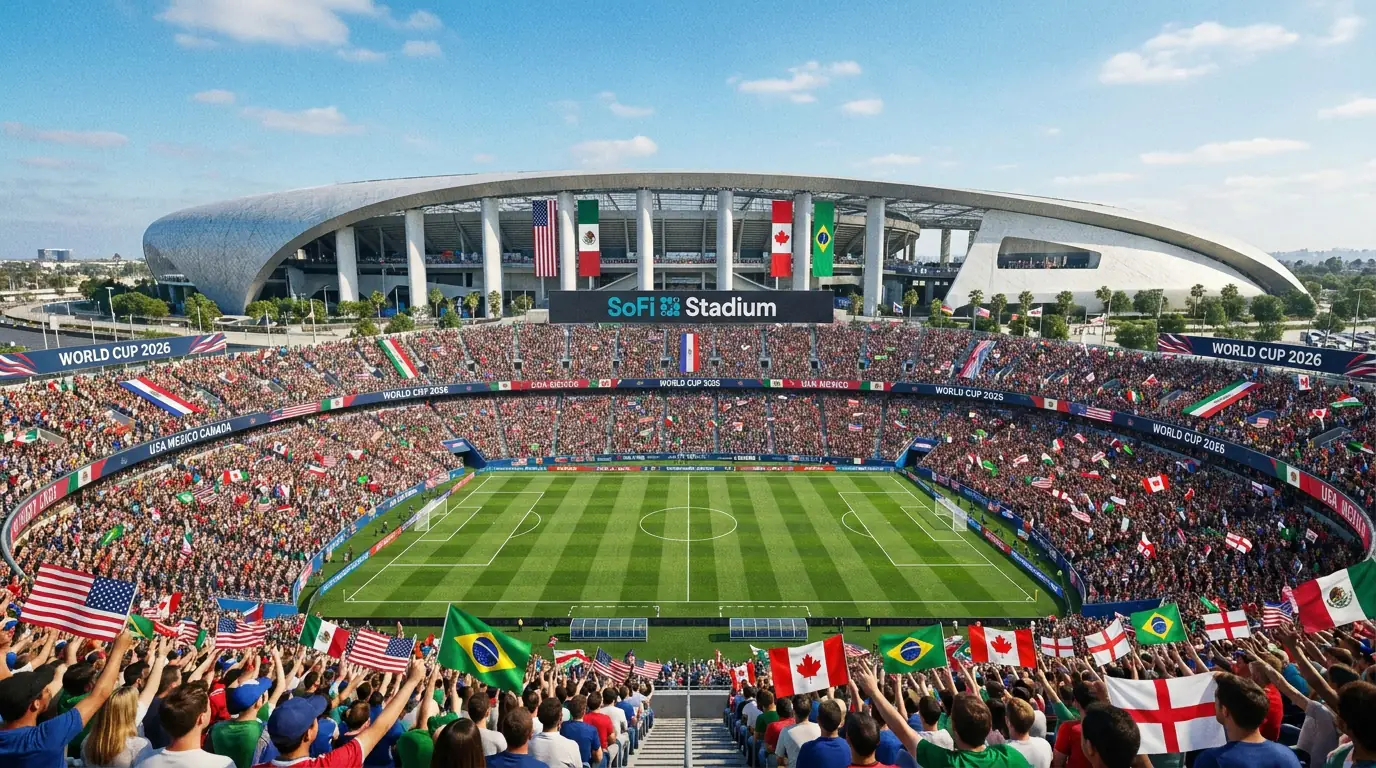
The New 48-Team Format and What It Changes for Betting
The expanded format divides 48 teams into 12 groups of four. The top two from each group plus the eight best third-placed teams advance to a 32-team knockout round. That “best third-placed” qualification path is critical for betting purposes — it means that even a poor group-stage performance may not eliminate a team, which fundamentally alters the stakes of individual group matches.
In a 32-team World Cup, losing your opening group match was often catastrophic. In this format, a team can lose their opener and still qualify comfortably by winning one of their remaining two fixtures. The implication for match betting is that early group-stage matches — particularly those involving teams who expect to qualify — will carry less tactical urgency. I expect to see more squad rotation in second and third group games from the tournament favourites, which creates opportunities in goals markets and draw betting.
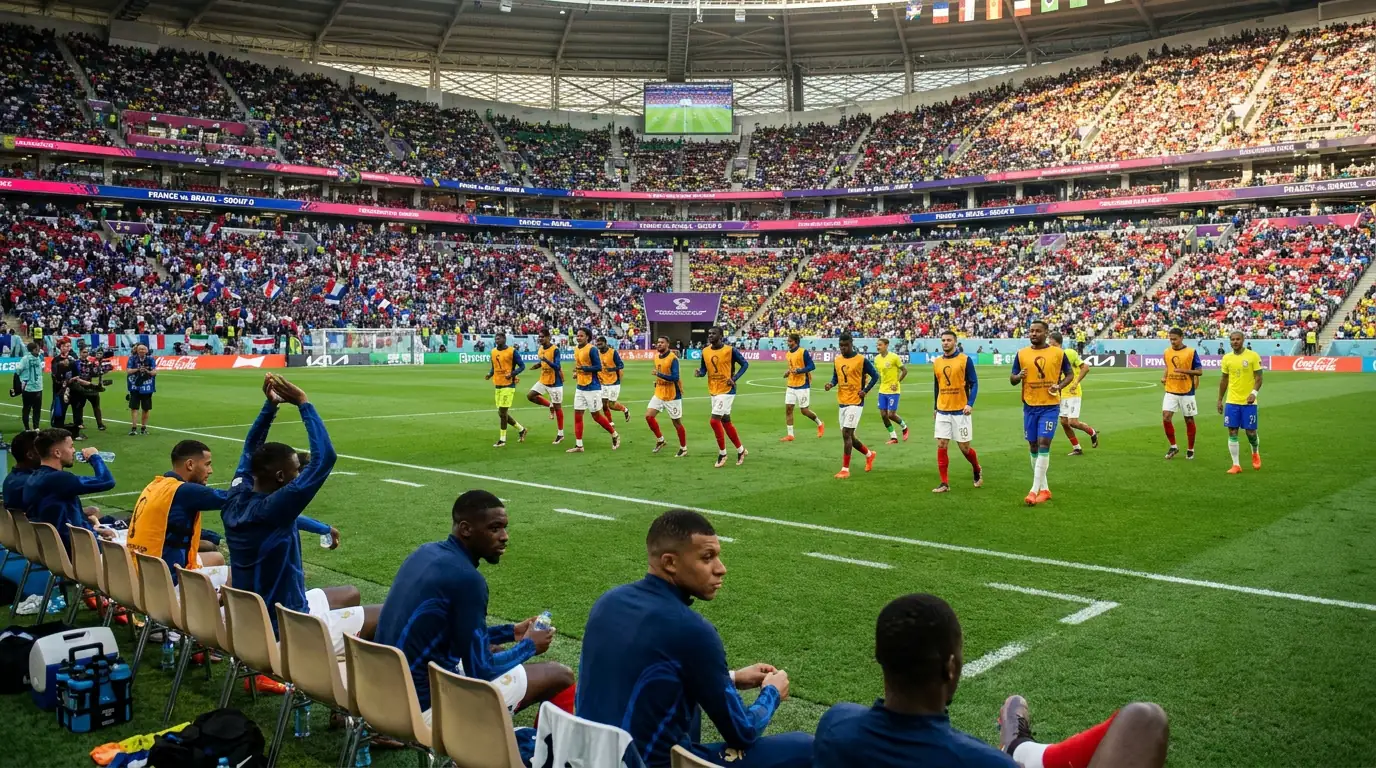
The group-stage dead rubber problem is amplified. In a 32-team format, the third round of group matches usually produces two or three dead rubbers. With 12 groups and a generous qualification threshold, the final round of group matches in 2026 could produce a dozen or more fixtures where both teams have already qualified or where the outcome is irrelevant to advancement. Dead rubbers historically produce higher goal totals and more unpredictable results — both of which create betting value if the bookmaker prices them using standard tournament data.
Group Stage Strategies: More Teams, More Dead Rubbers
My approach to World Cup group-stage betting has always been to ignore the first round of matches almost entirely and concentrate on the second and third rounds. The reasoning is simple: the opening match is where the market has the least information asymmetry. Every pundit, every model, and every bookmaker has analysed the same pre-tournament data. By the second round, you have 90 minutes of actual tournament football to work with — tactical setups, fitness levels, and the psychological state of teams that won, drew, or lost their opener. That is new information the market has to absorb, and it does not always absorb it efficiently.
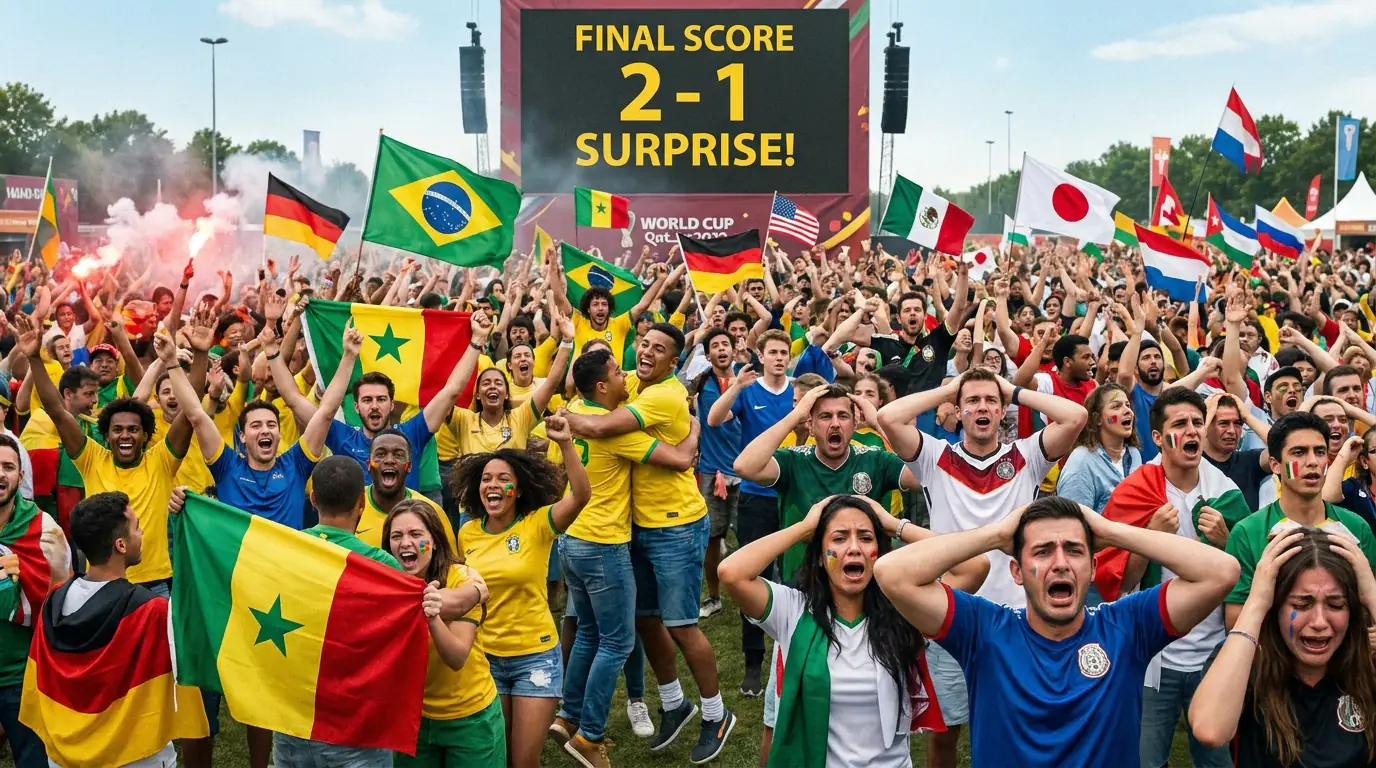
The 48-team format makes this approach even more pronounced. With 16 additional teams that the market has minimal data on, the second group game is the first opportunity to calibrate your own assessment against reality. A team like Saudi Arabia or Canada might surprise in their opener, and the market will react — but often overreact, either inflating their odds for the next match (if they lost) or compressing them (if they won) beyond what the performance data justifies.
Third group matches will be the most fertile ground for value. The permutations of the “best third-placed” qualification rule create scenarios where teams know exactly what result they need. A side requiring a draw to advance will set up defensively regardless of their overall quality. That behavioural shift is predictable and exploitable — back the draw or under 2.5 goals in matches where the tactical incentive points to caution.
Outright Winner and Top Scorer Markets
Outright markets are where the expanded format creates the most analytical uncertainty — and, potentially, the most value. The path to the final now includes an additional knockout round (round of 32 before the round of 16), which adds one more match to the journey. For favourites priced at 6/1 or shorter, the cumulative probability of winning seven matches (including the final) is lower than the six matches required in the old format, all else being equal.
England’s current odds around 6/1 imply roughly a 14-15% probability of winning the tournament. Given the additional match, I would argue that any team’s true probability of winning this specific tournament is lower than the same odds would imply for a 32-team World Cup. The market may be slow to adjust for this structural change, particularly in the early weeks of trading before the tournament begins.
Top scorer markets are complicated by the expanded schedule. More matches means more goals for players whose teams go deep, but the additional teams include several that will be eliminated in the group stage, limiting their strikers’ opportunities. I focus on top scorer bets for players on teams most likely to reach the semi-finals, where the additional match gives them an extra game — and extra goals — compared to historical tournaments.
England’s Odds and Path to the Final
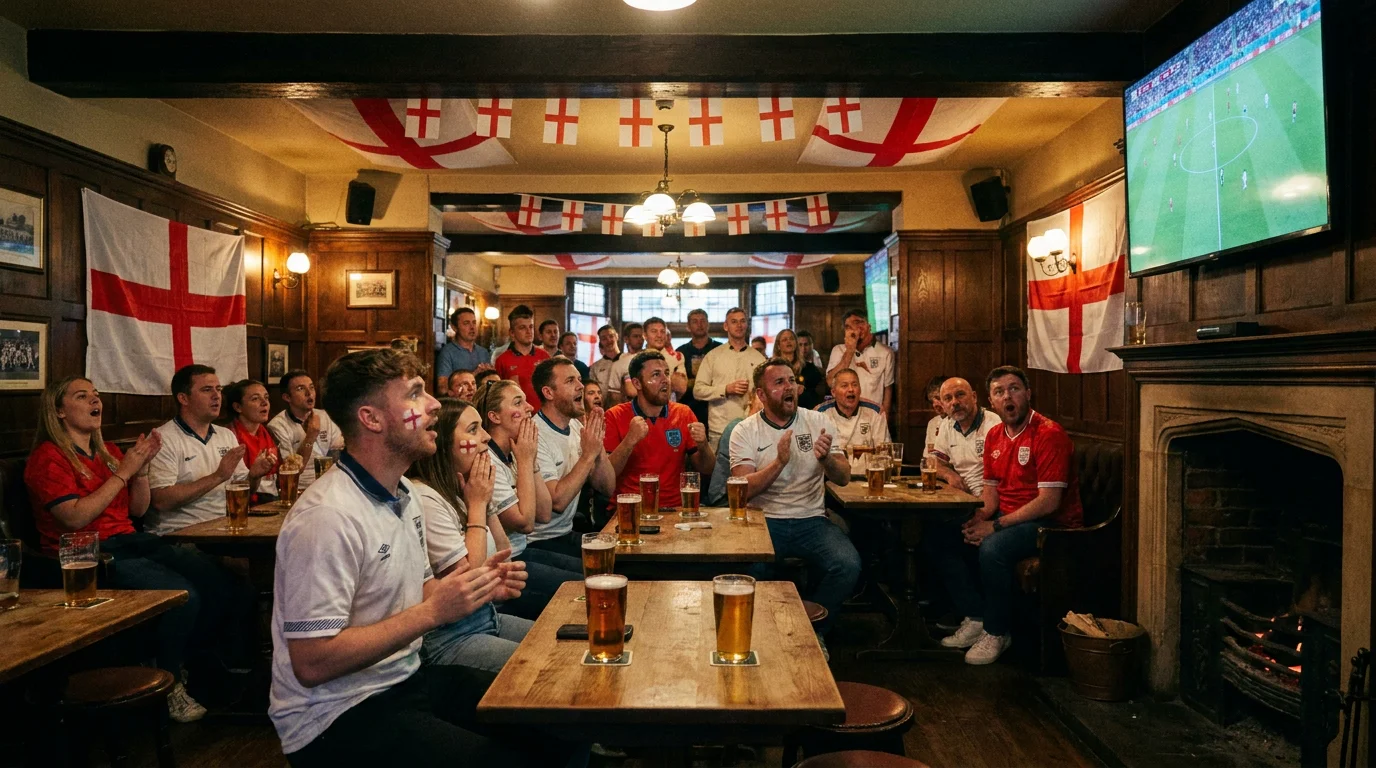
England enter the 2026 World Cup as one of the genuine contenders, and the betting market reflects that. At approximately 6/1, they sit behind Brazil, France, and Spain in most bookmaker rankings. The question is whether that price accounts for the specific challenges of this tournament.
Time zones and travel distances matter more in a North American World Cup than in any recent edition. Group-stage venues could be separated by thousands of miles and multiple time zones. England’s base camp location and travel schedule will affect player recovery in a tournament that is longer and more demanding than any before it. These logistical factors are difficult to model but will have a real impact on performance, particularly in the knockout rounds when margins are finest.
My own approach to England’s World Cup odds is to break the tournament into stages. I price England’s probability of qualifying from the group, of reaching the quarter-finals, of reaching the semi-finals, and of winning the final — each as a conditional probability given the previous stage. This produces a more granular view than the headline outright price and often reveals that the value lies in specific stage bets (England to reach the semi-final, for instance) rather than the outright.
Grainne Hurst of the Betting and Gaming Council has emphasised that gambling is a legitimate pastime enjoyed by millions. A World Cup summer is when that principle is most visible — the tournament brings millions of casual bettors into the market. That influx of recreational money can create inefficiencies in outright and match markets that informed bettors can exploit, particularly in the knockout rounds when the casual crowd has placed their accumulators and moved on. For broader strategic approaches to tournament betting, the football betting strategies guide covers frameworks that apply beyond league football.
How many matches are in the 2026 World Cup?
The 2026 FIFA World Cup features 104 matches, nearly double the 64 matches in the previous 32-team format. The expanded 48-team tournament includes a group stage with 12 groups of four, followed by a round of 32, round of 16, quarter-finals, semi-finals, third-place playoff, and final.
What are England’s odds to win the 2026 World Cup?
England are currently priced at approximately 6/1 with most UK bookmakers, placing them among the top five or six favourites alongside Spain, France, and Brazil. Those odds imply roughly a 14-15% probability of winning the tournament, though the expanded format adds an extra knockout round which may make those odds slightly less generous than they appear.
